Most hardware teams ask too much of a single prototype.
The best results come when each prototype is built to answer a specific question at the right stage of development.
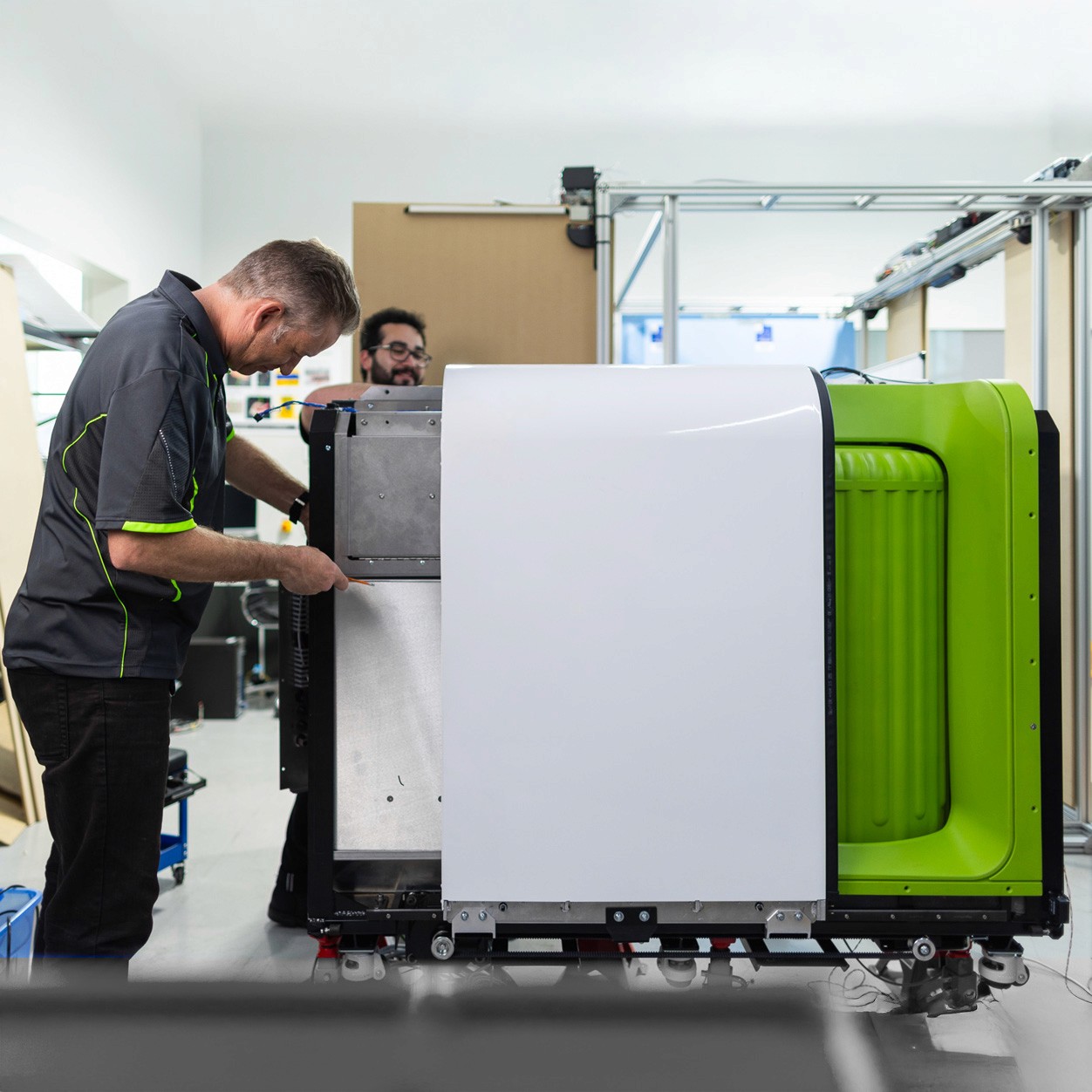
At Katapult, we’ve built hundreds of prototypes across more than 25 years of product design and development. And the role of a prototype is not to be perfect. It is to answer the next important question as quickly and efficiently as possible.
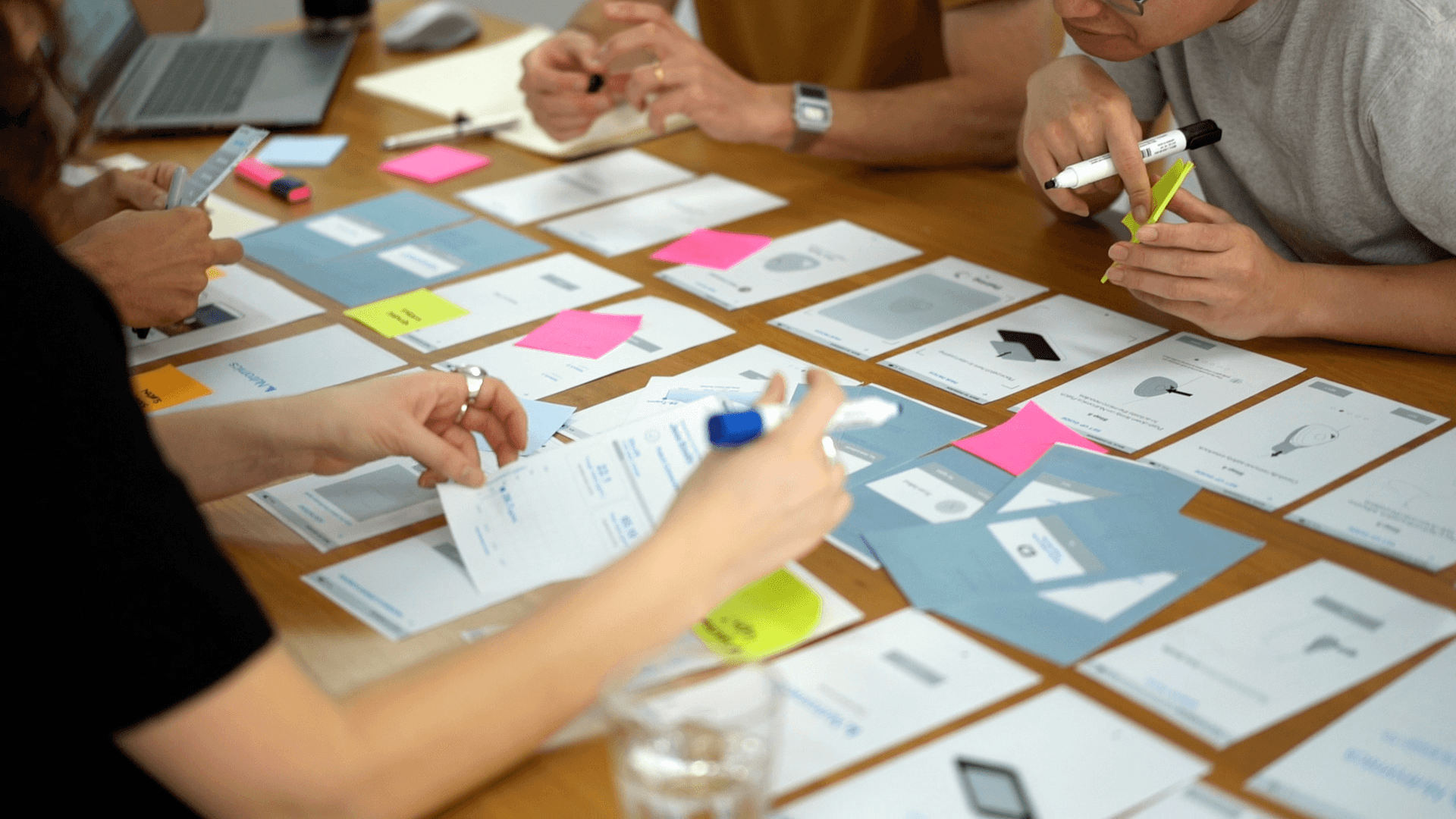
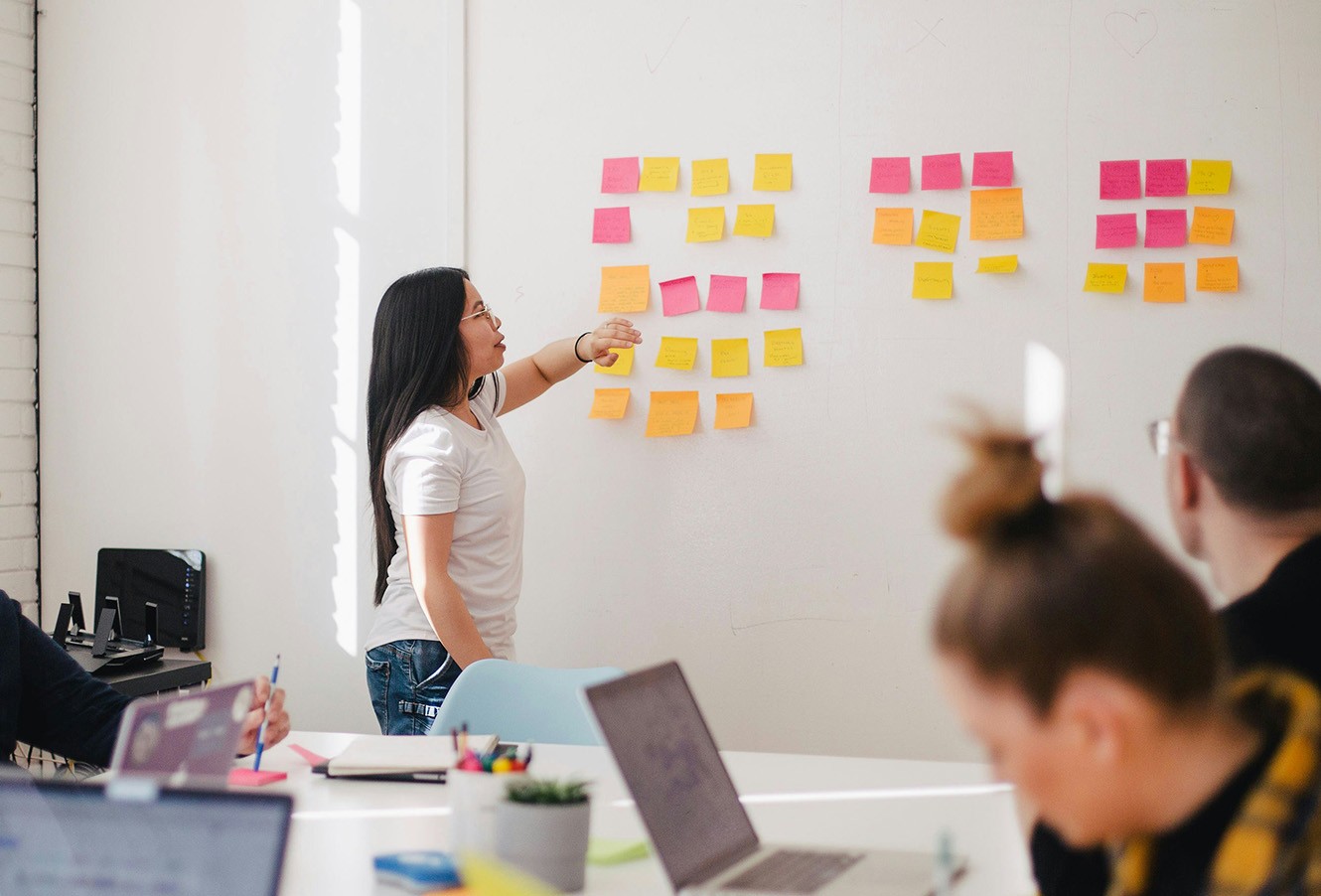
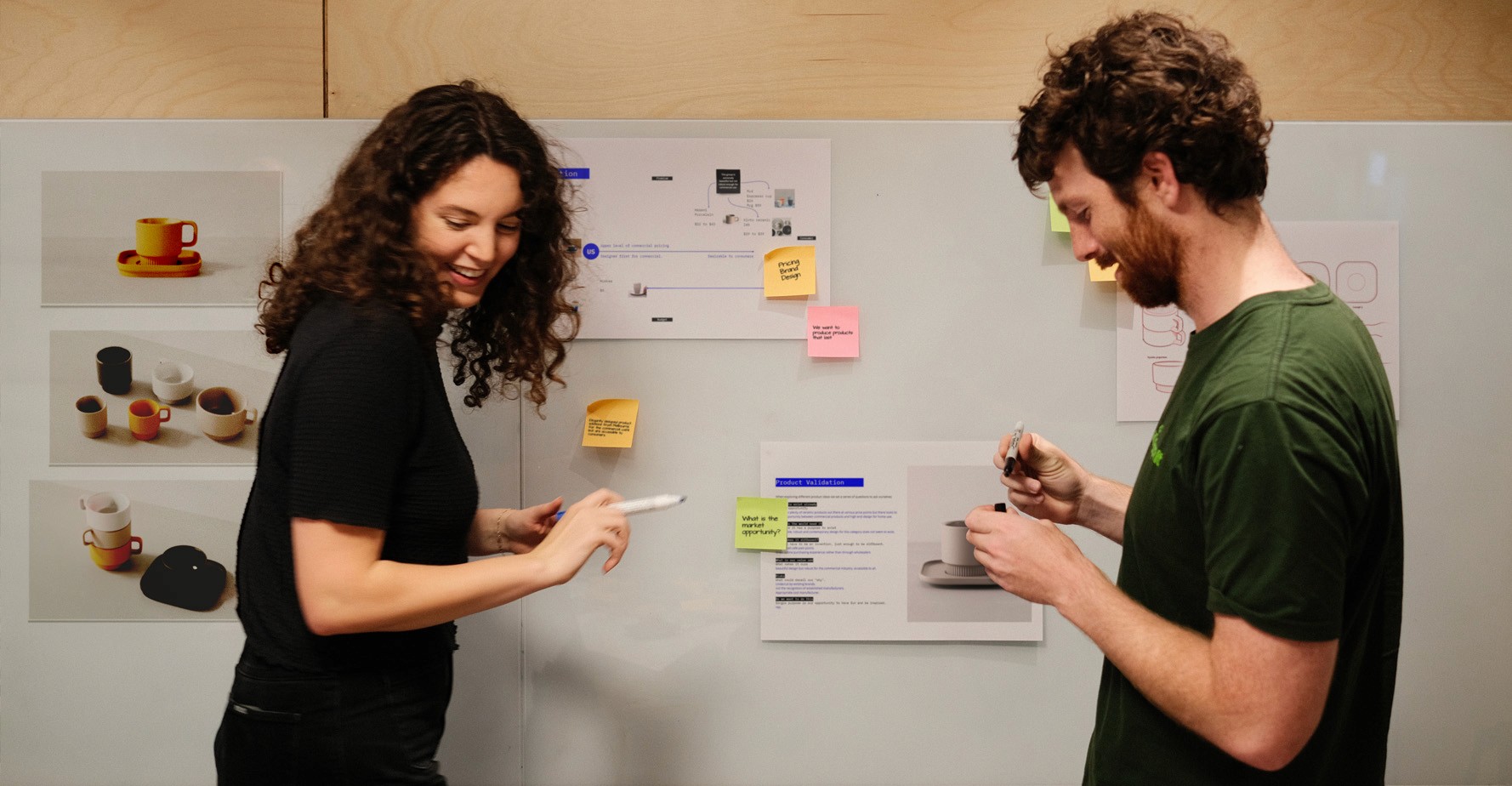
That is why we treat prototyping as part of a circular process - ideate, design, develop, test, refine and repeat.
Each prototype has a job to do.
Can the user hold it comfortably and use it intuitively?
Can the core architecture fit within the intended form factor?
Can the product be manufactured at the right cost?
Will the materials and components survive the real-world environment?
Does the interaction make sense before anyone needs instructions?
The teams that move best through development are usually not the ones chasing a polished prototype too early. They are the ones willing to test, learn and refine before they commit to expensive decisions.
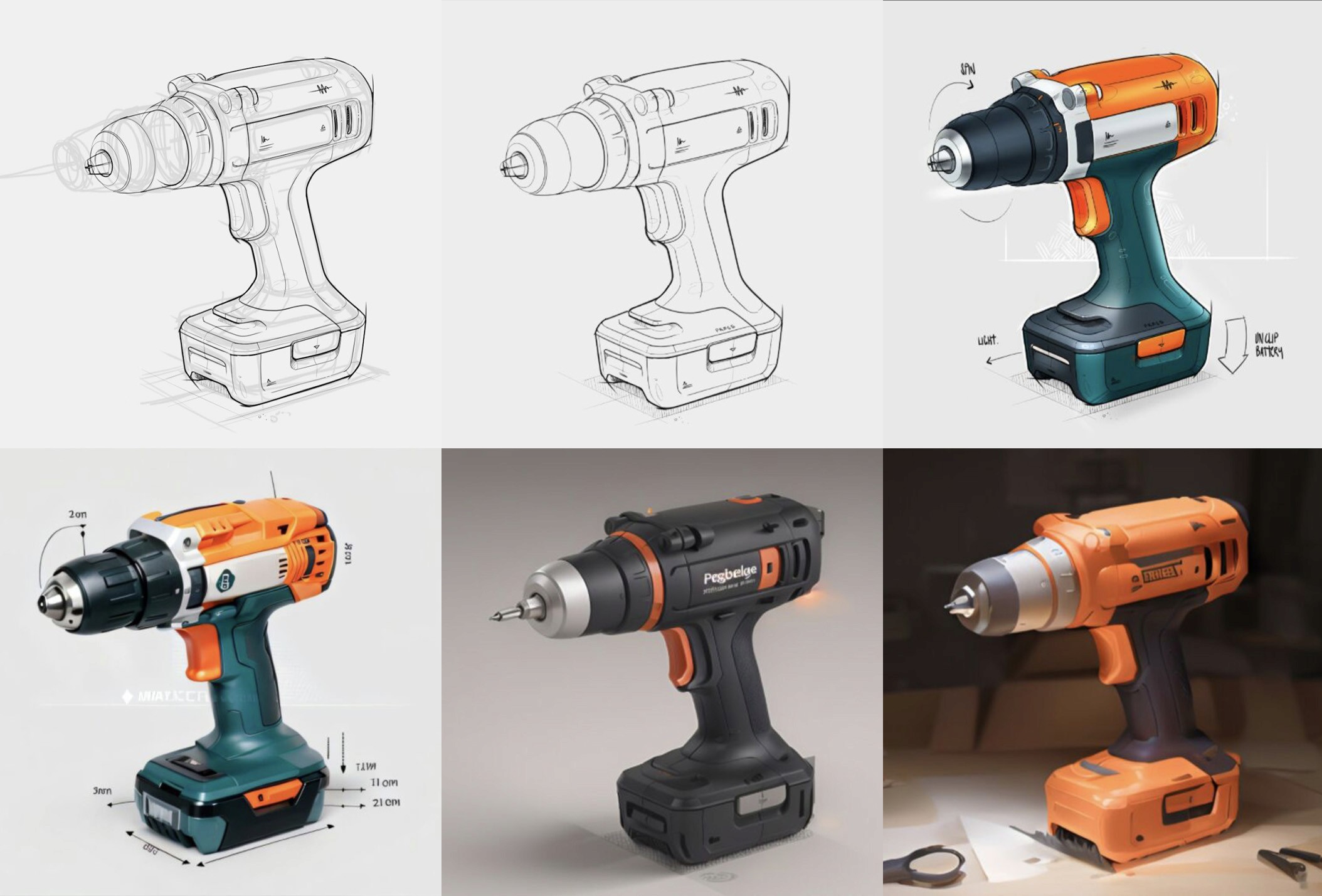
A typical prototyping pathway might look like this:-
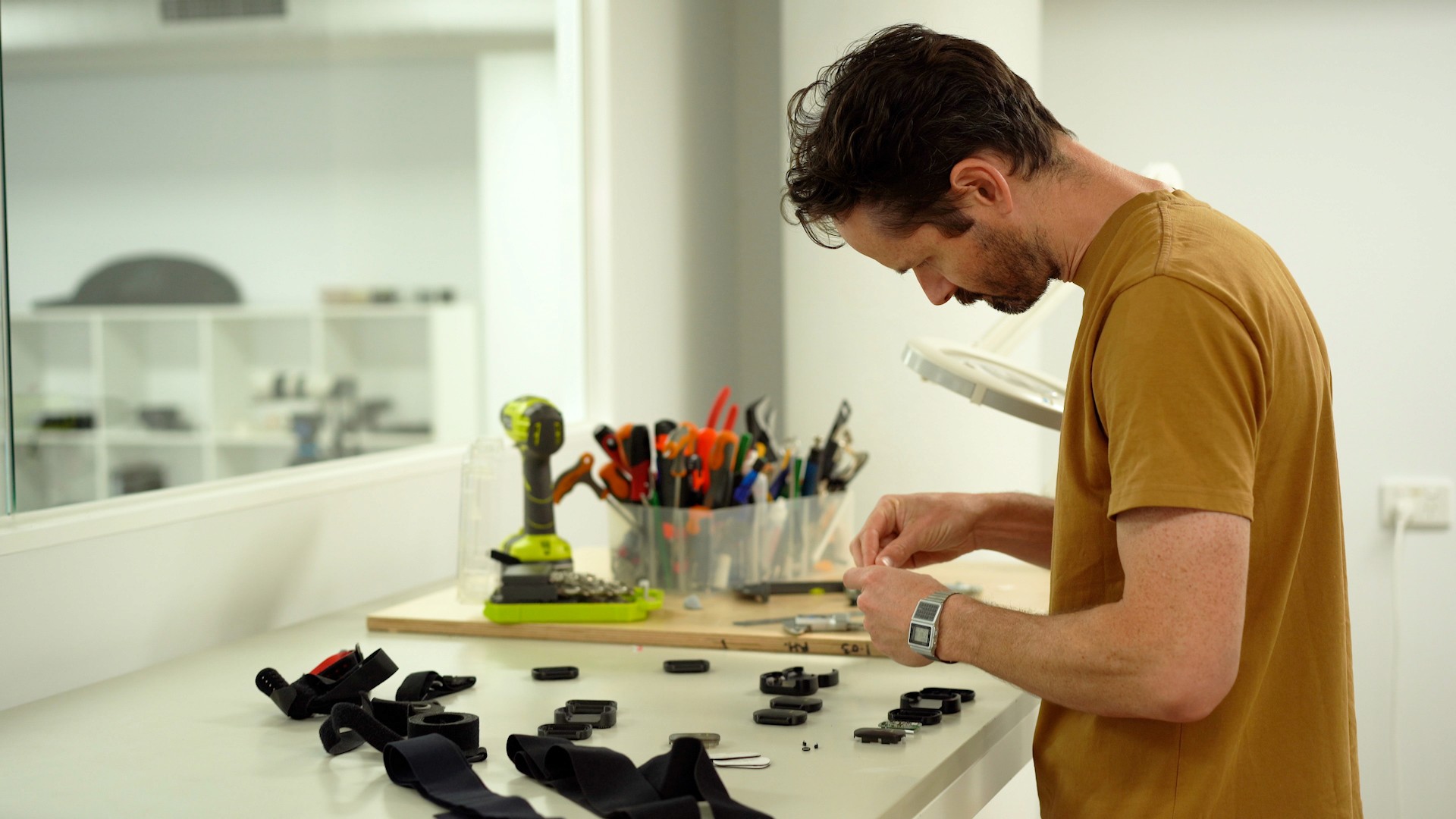
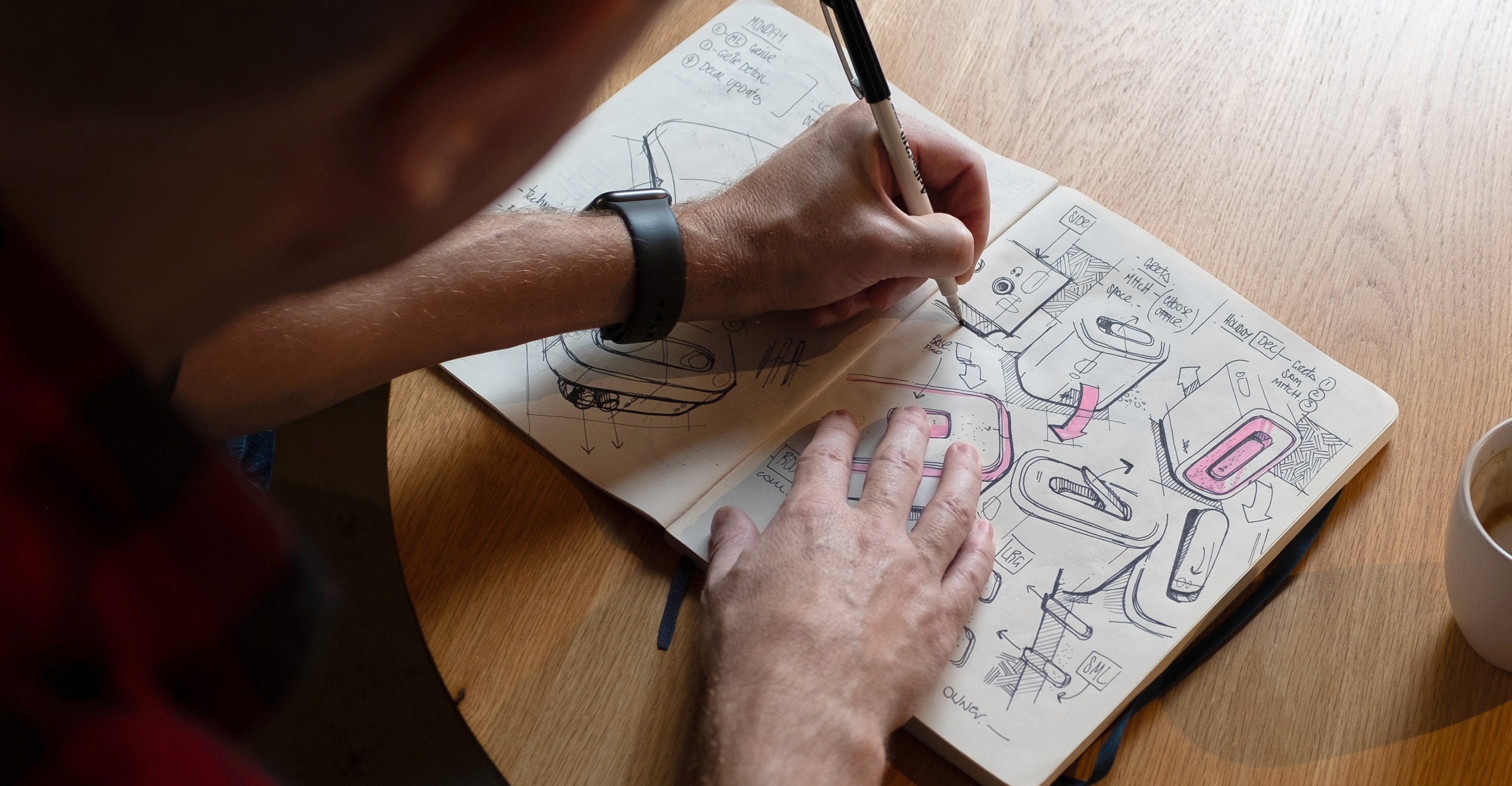
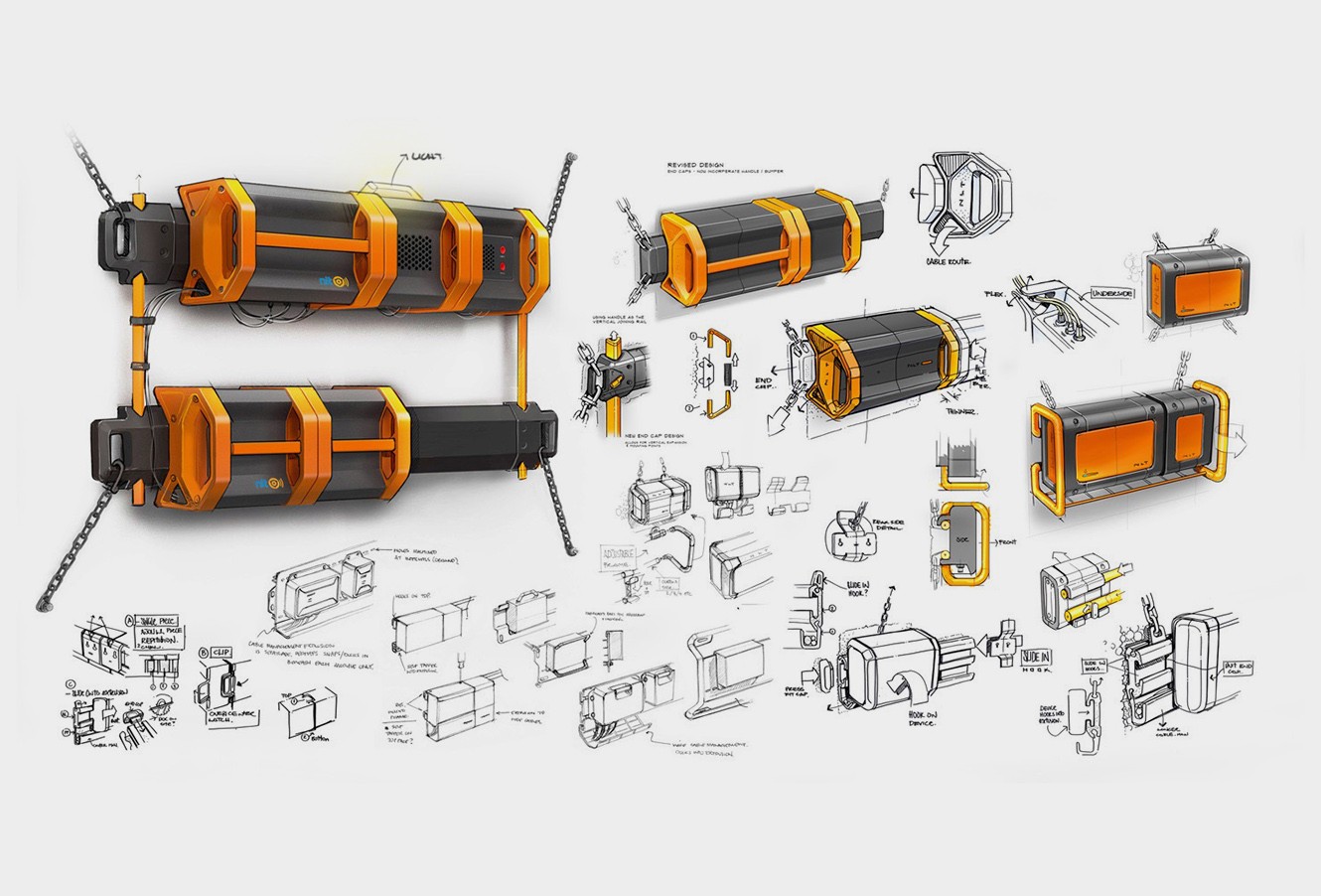
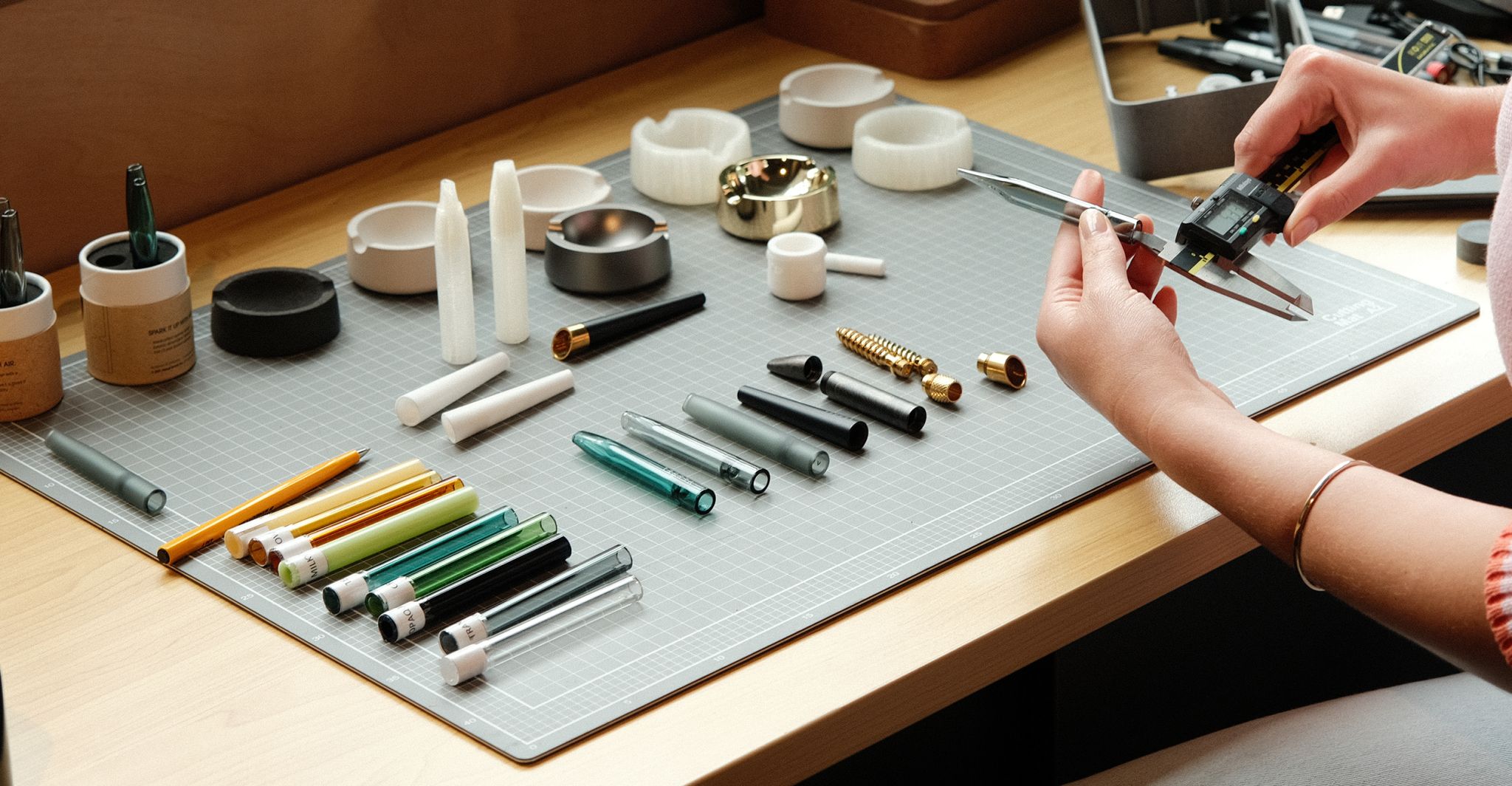
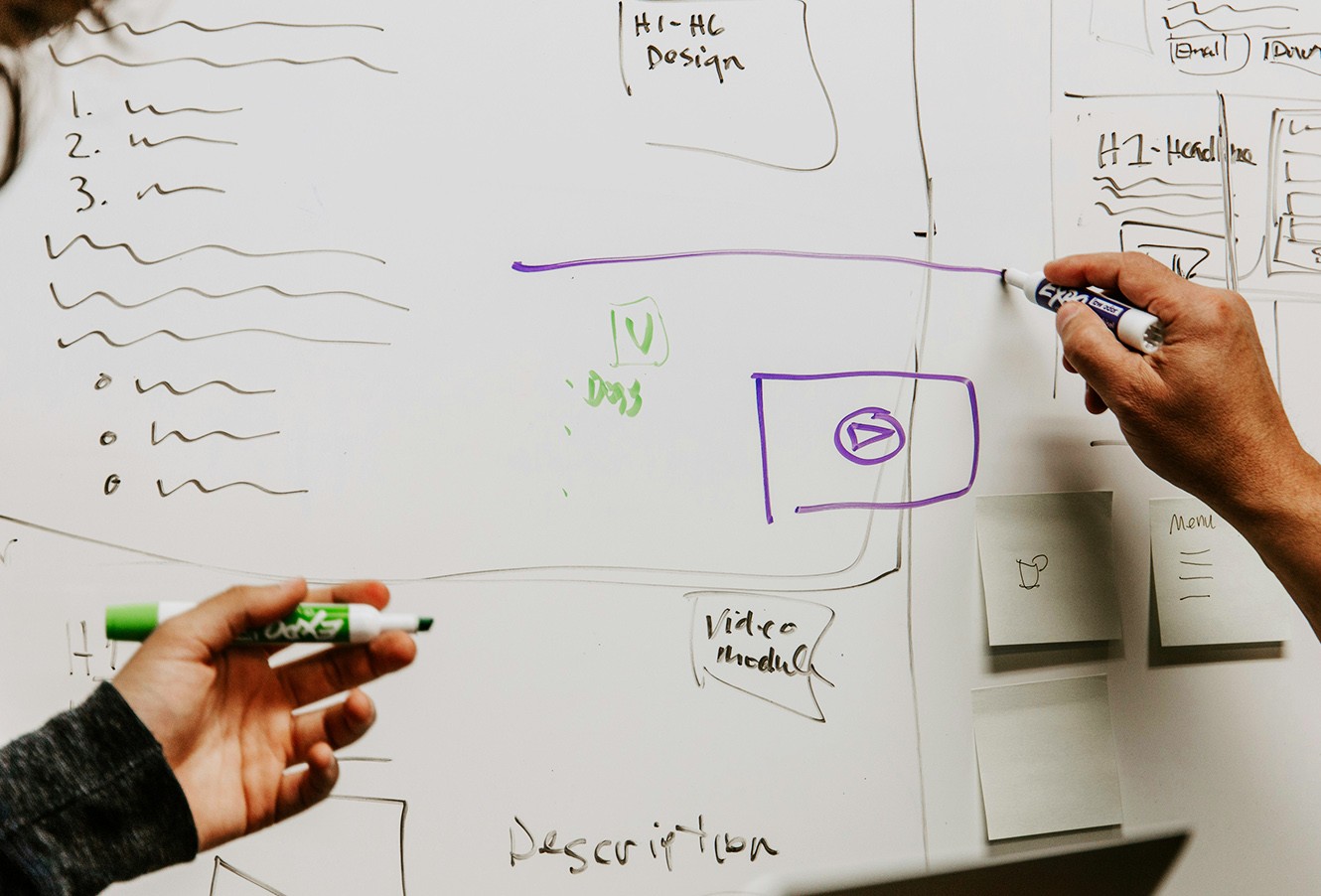
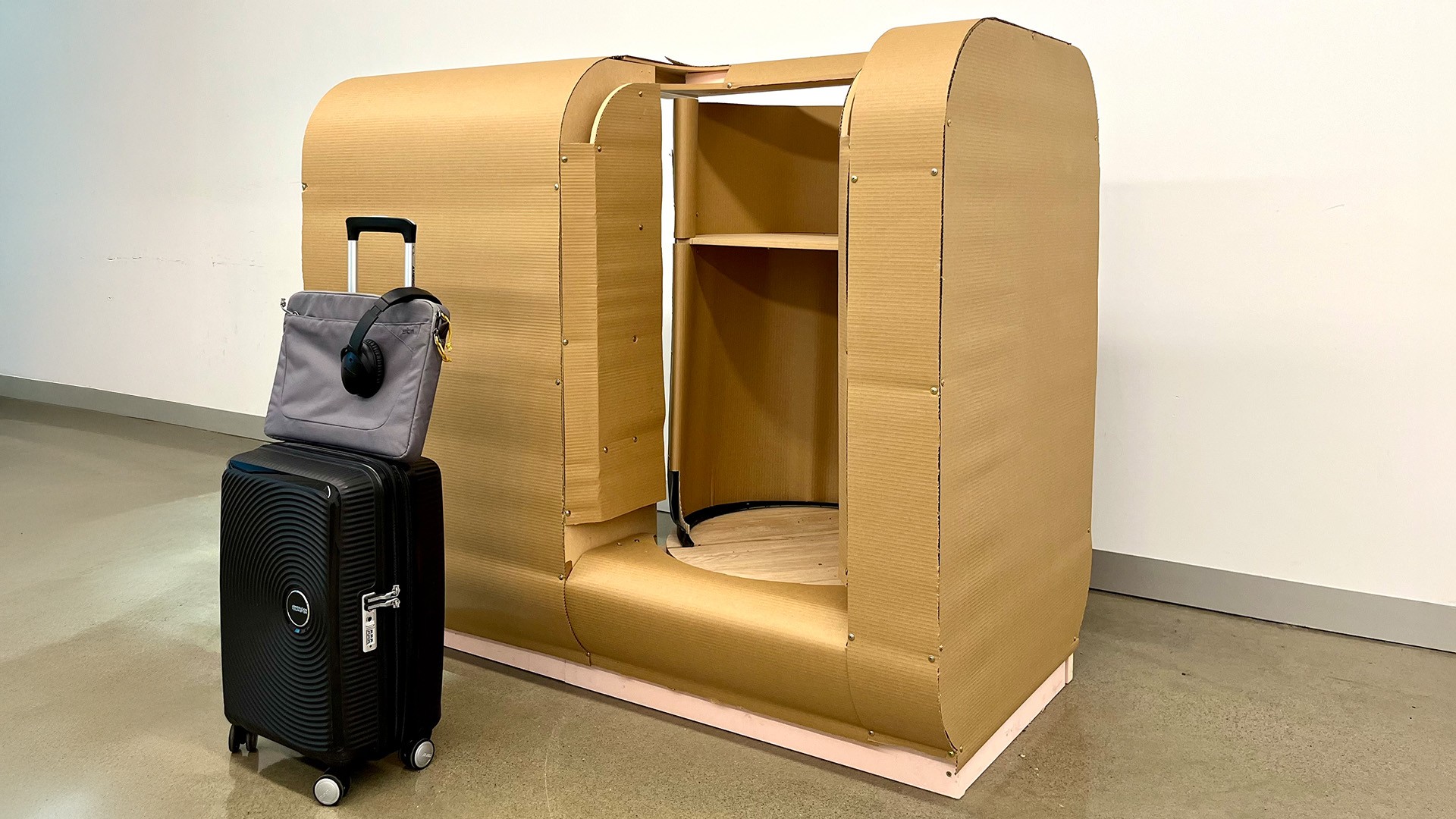
Stage 1: Foam, cardboard and quick mock-ups
Fast, rough and useful. These help answer early questions around size, form, ergonomics and general usability.
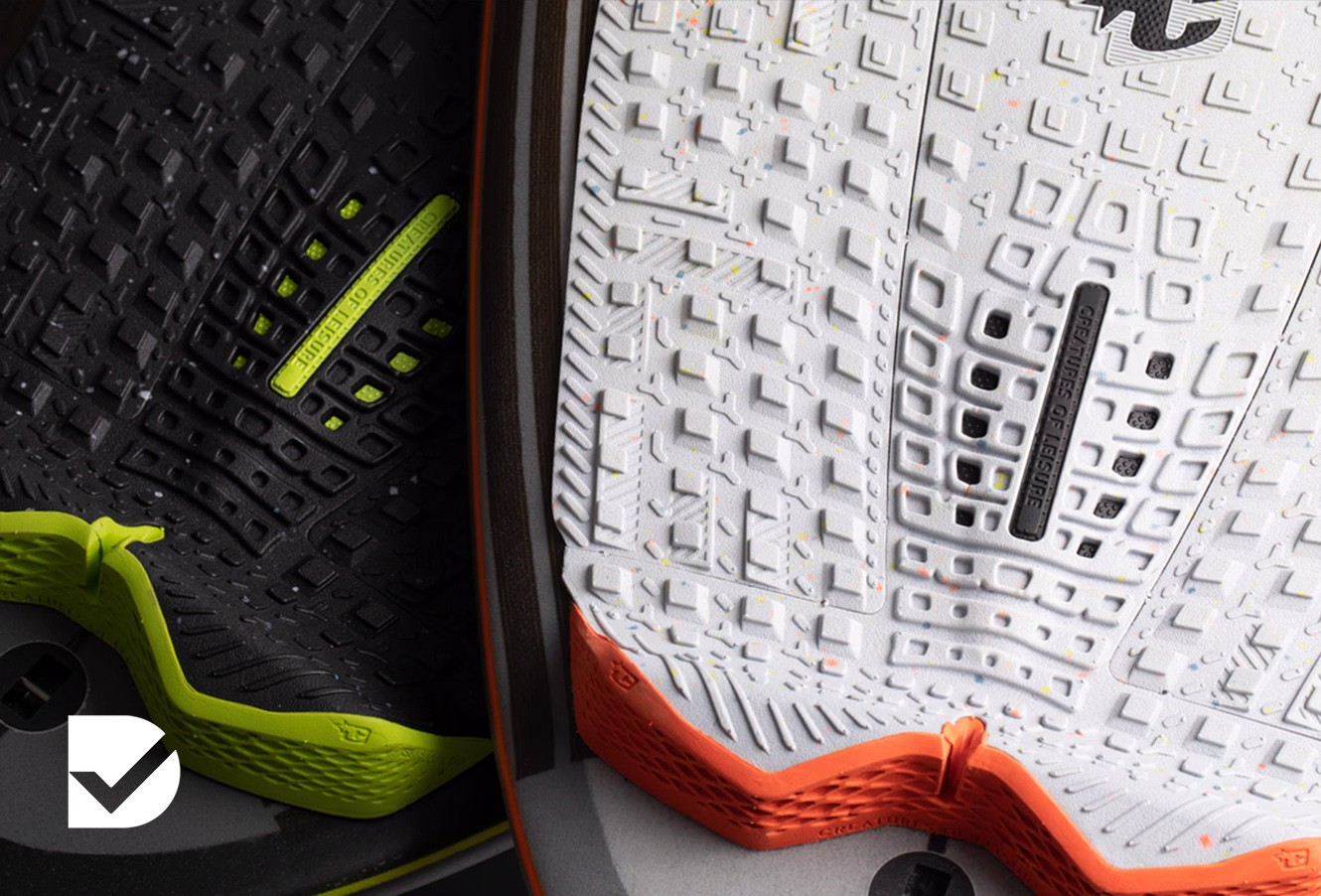
Stage 2: 3D printed prototypes
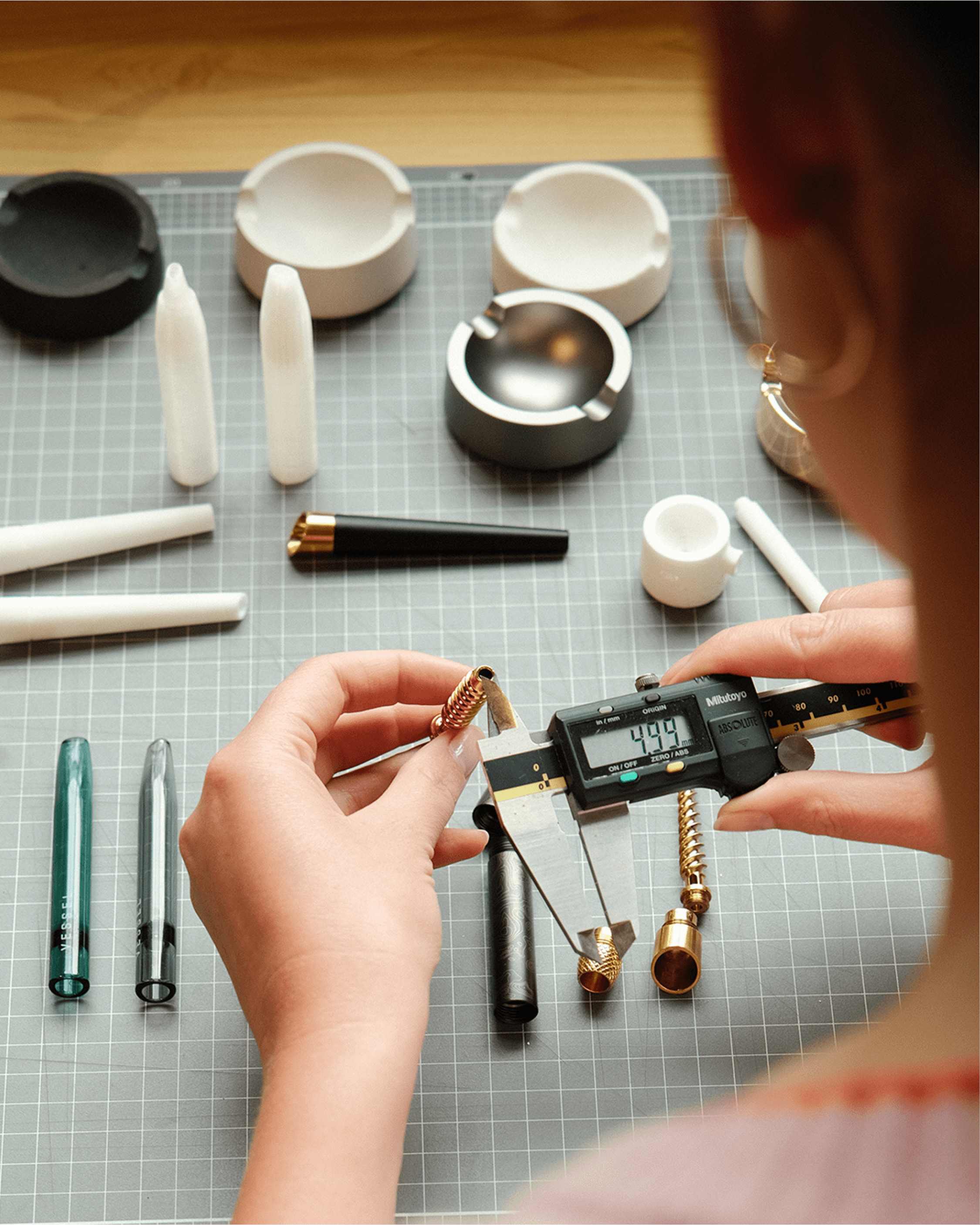
SLA, SLS or other additive methods to test detail, fit, assembly and selected functional elements before locking things down.
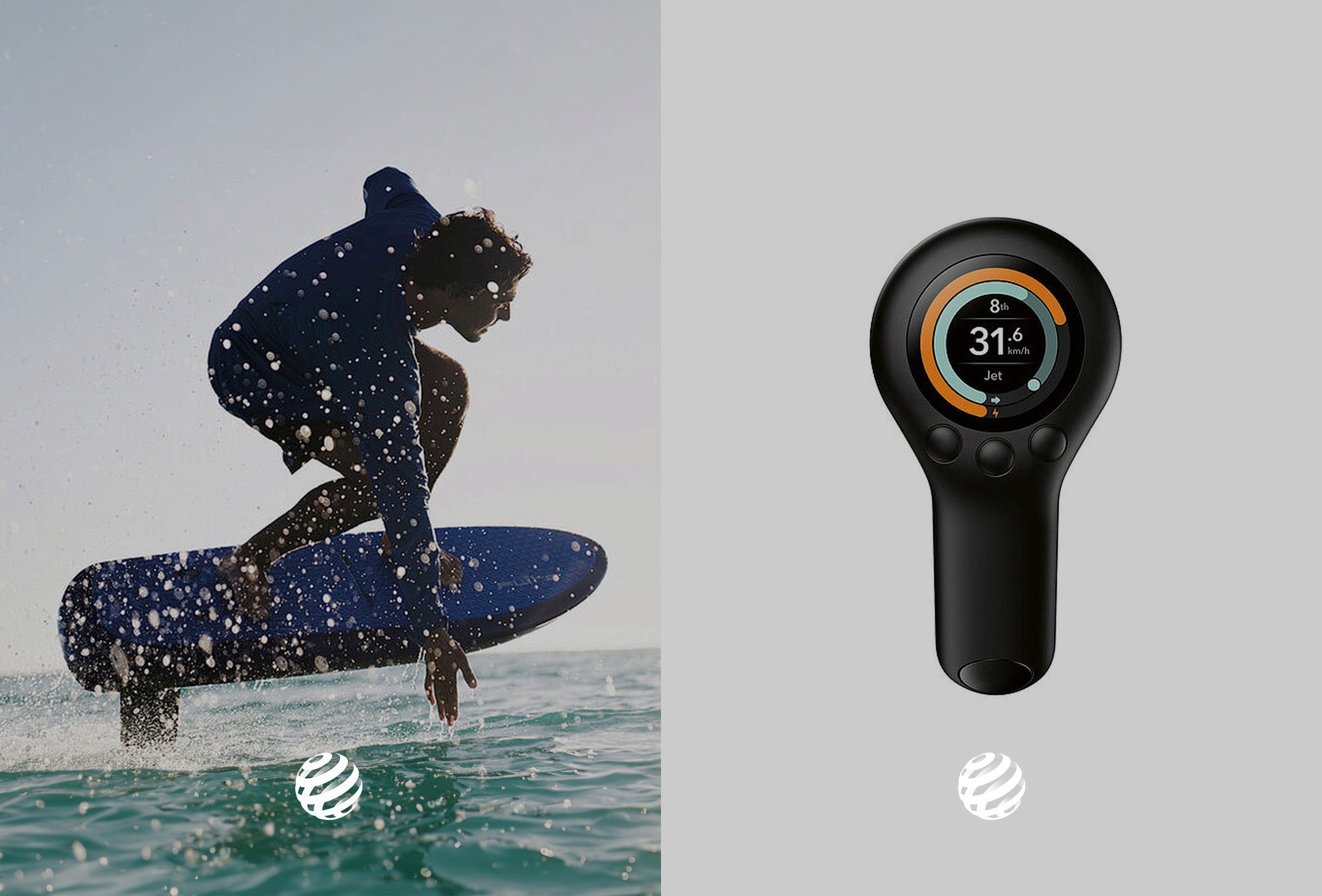
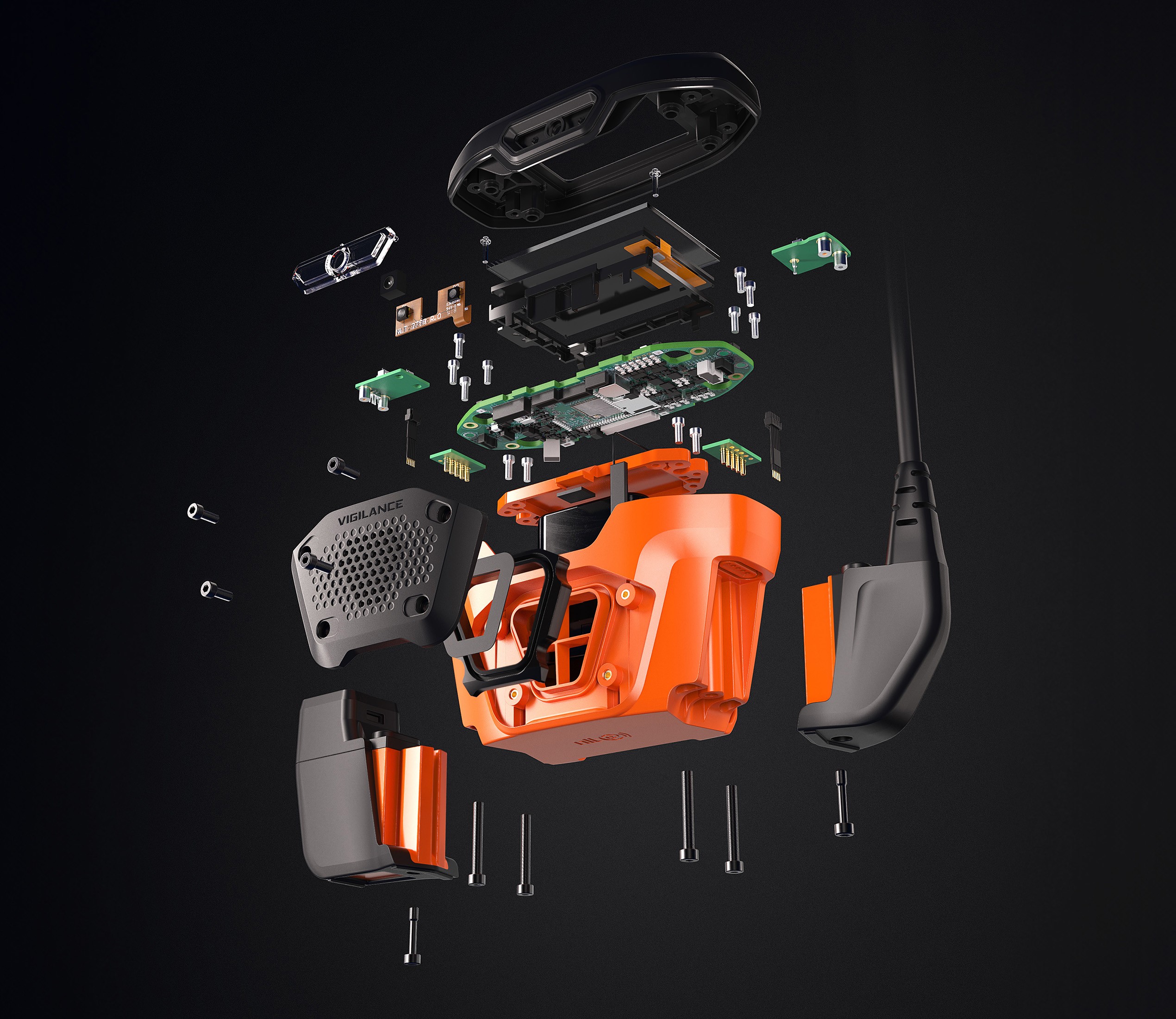
Stage 3: Works-like prototypes
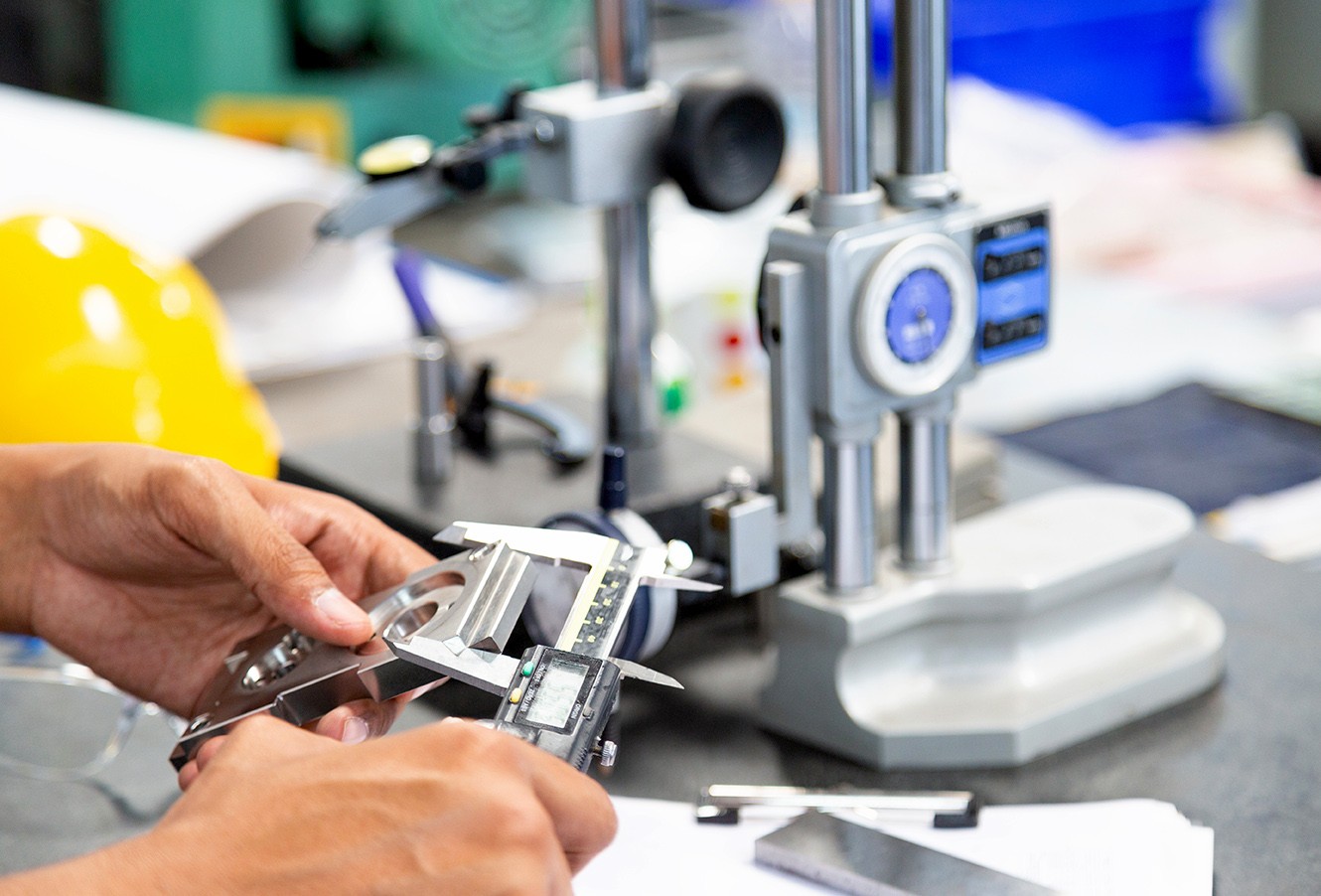
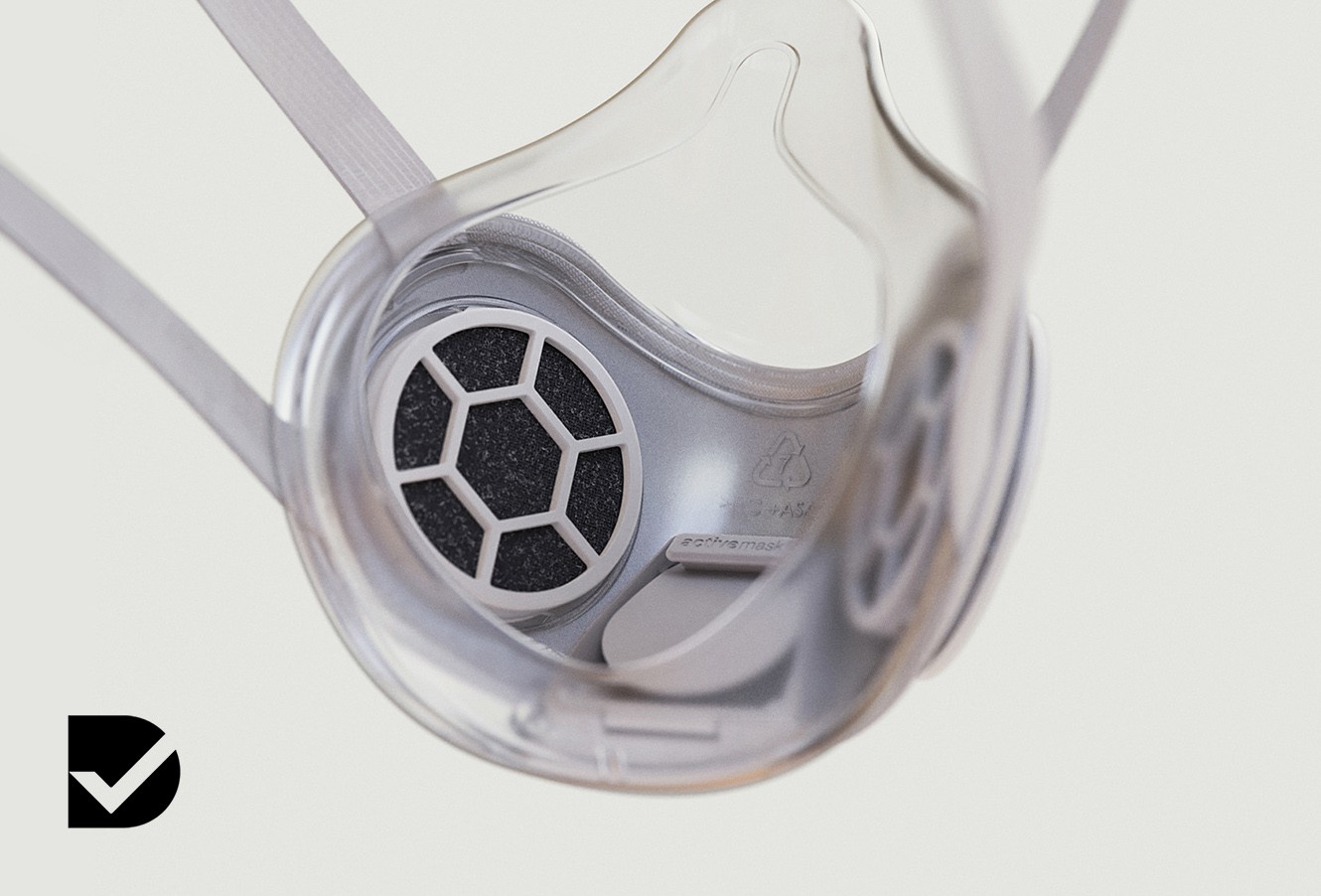
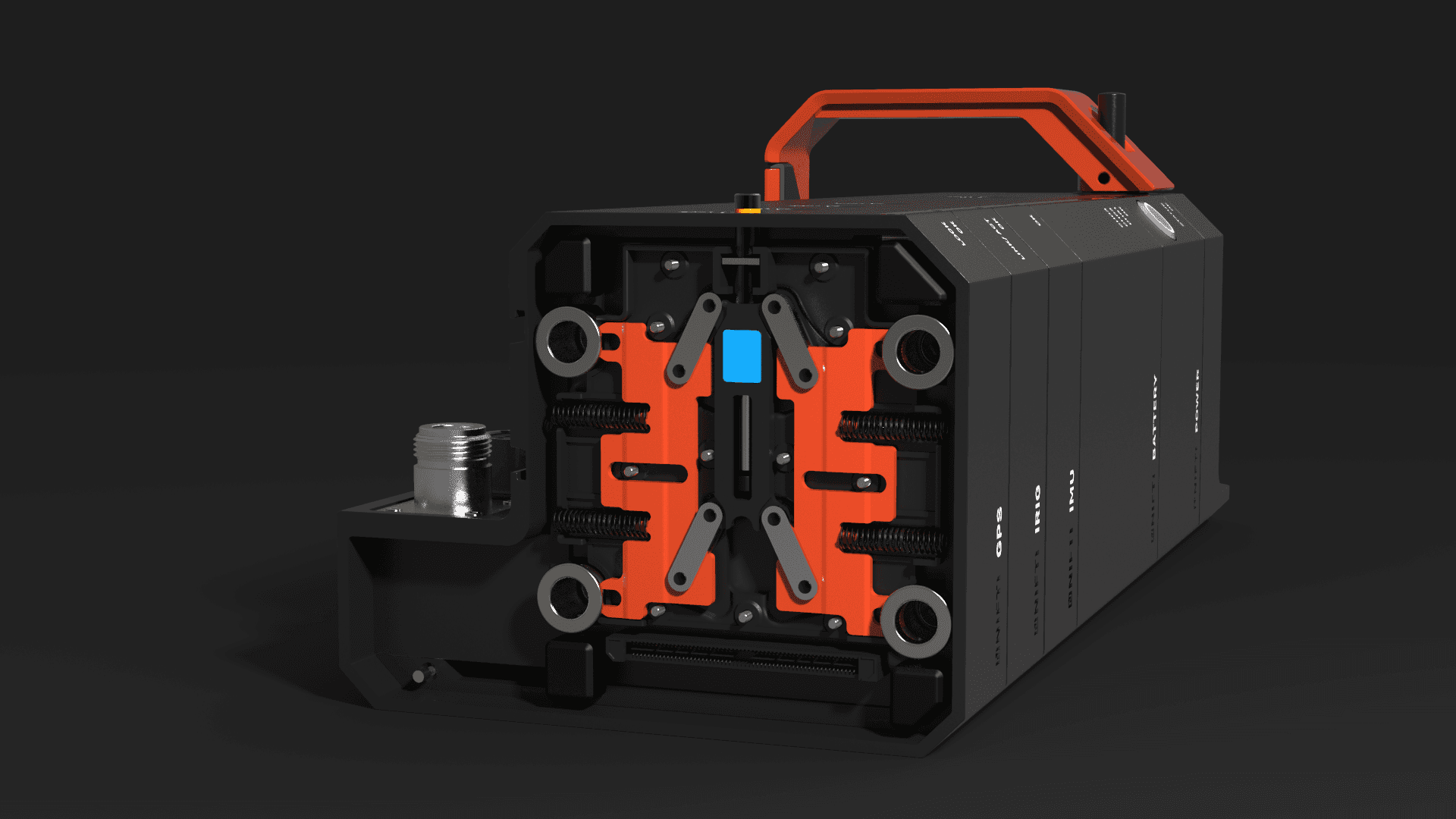
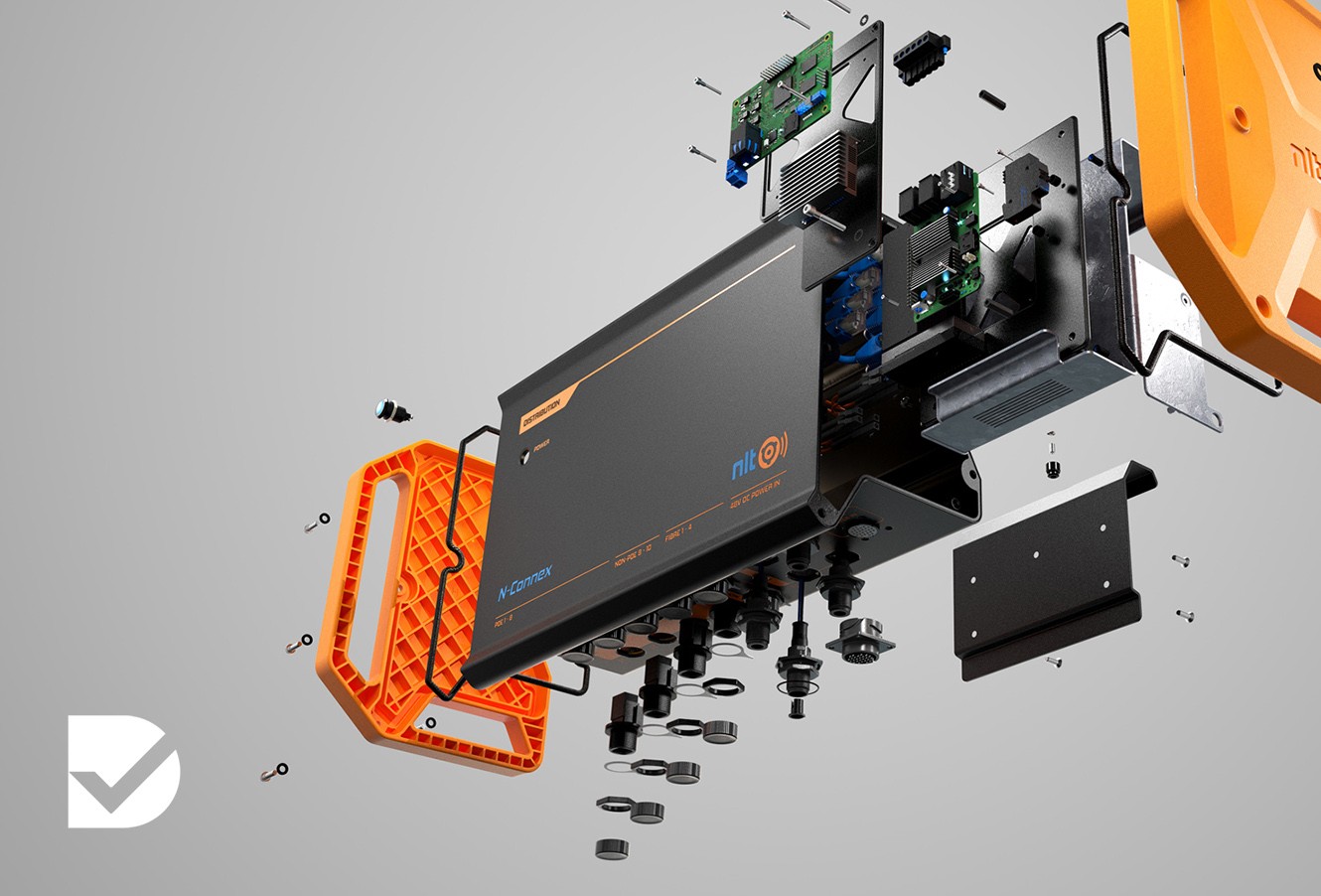
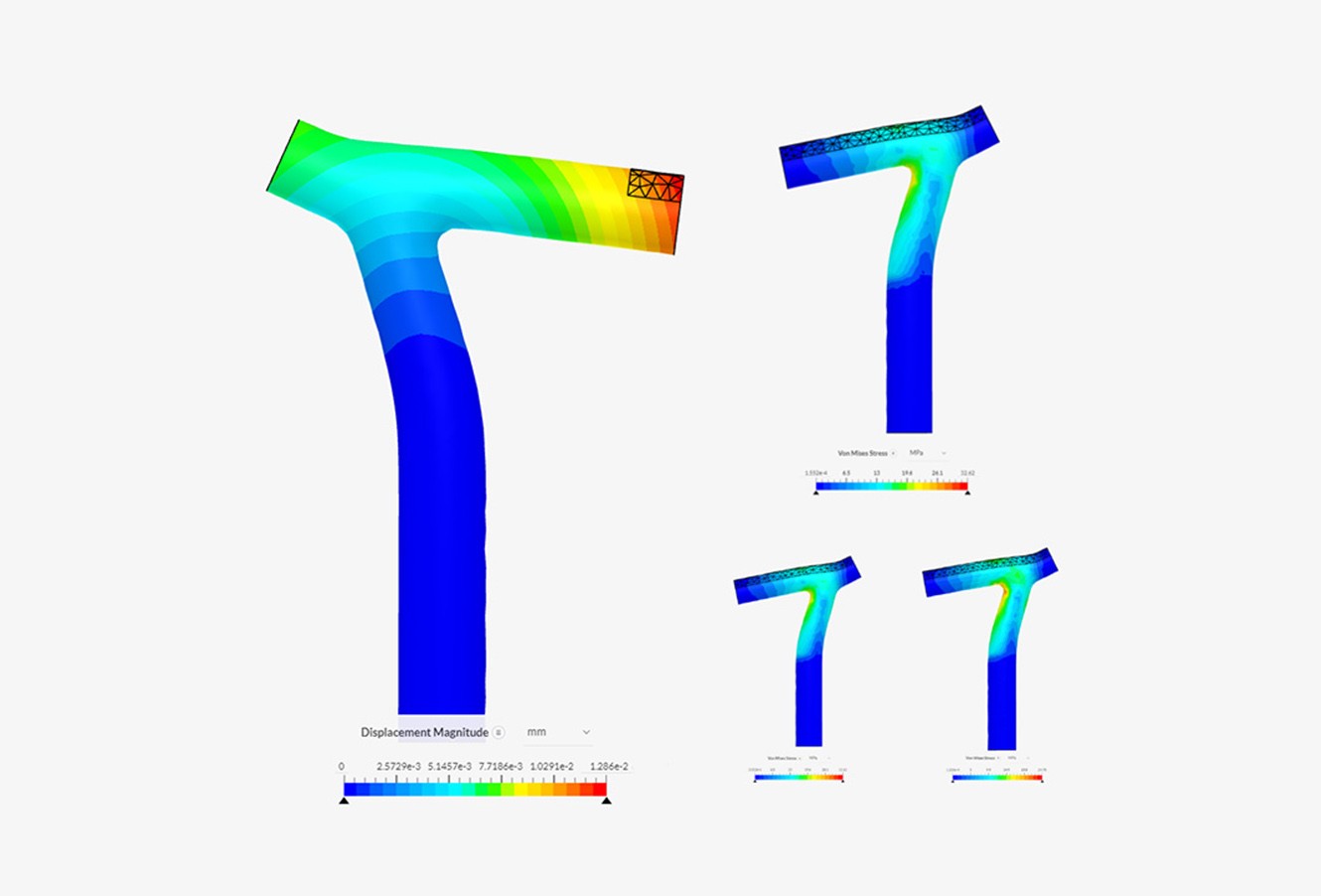
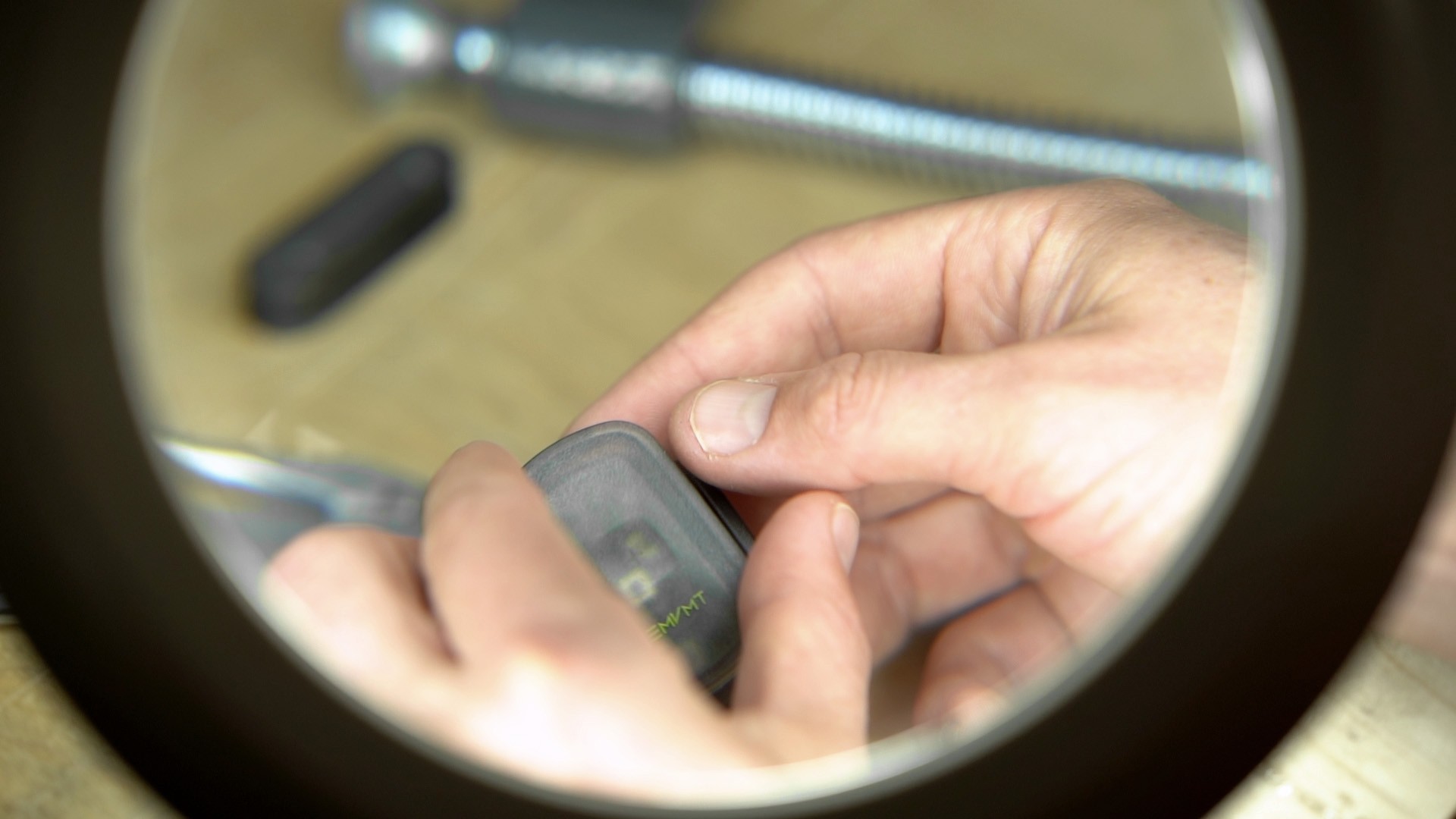
Real components, proof-of-function assemblies and representative housings used to validate technical performance and reduce risk.
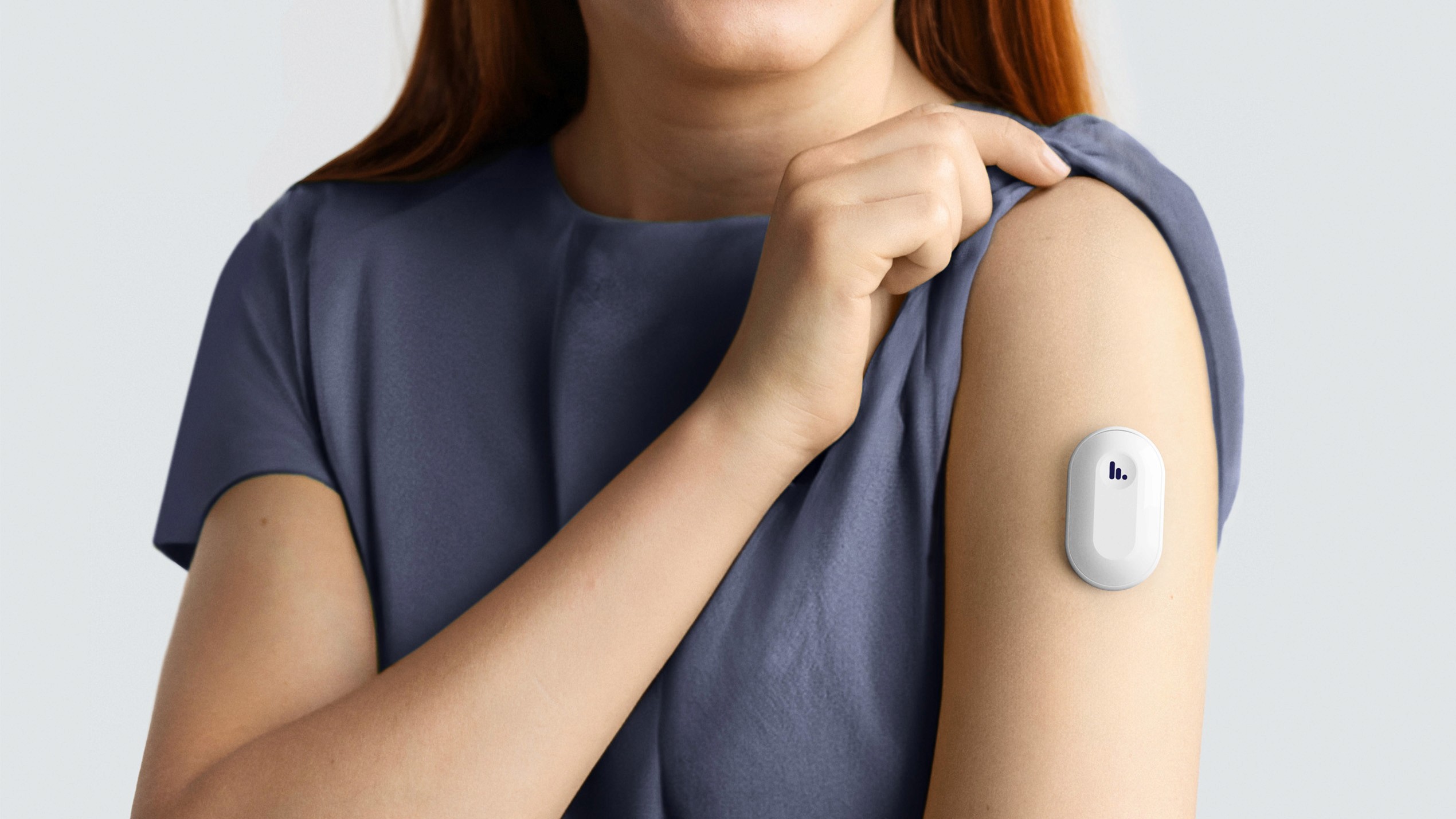
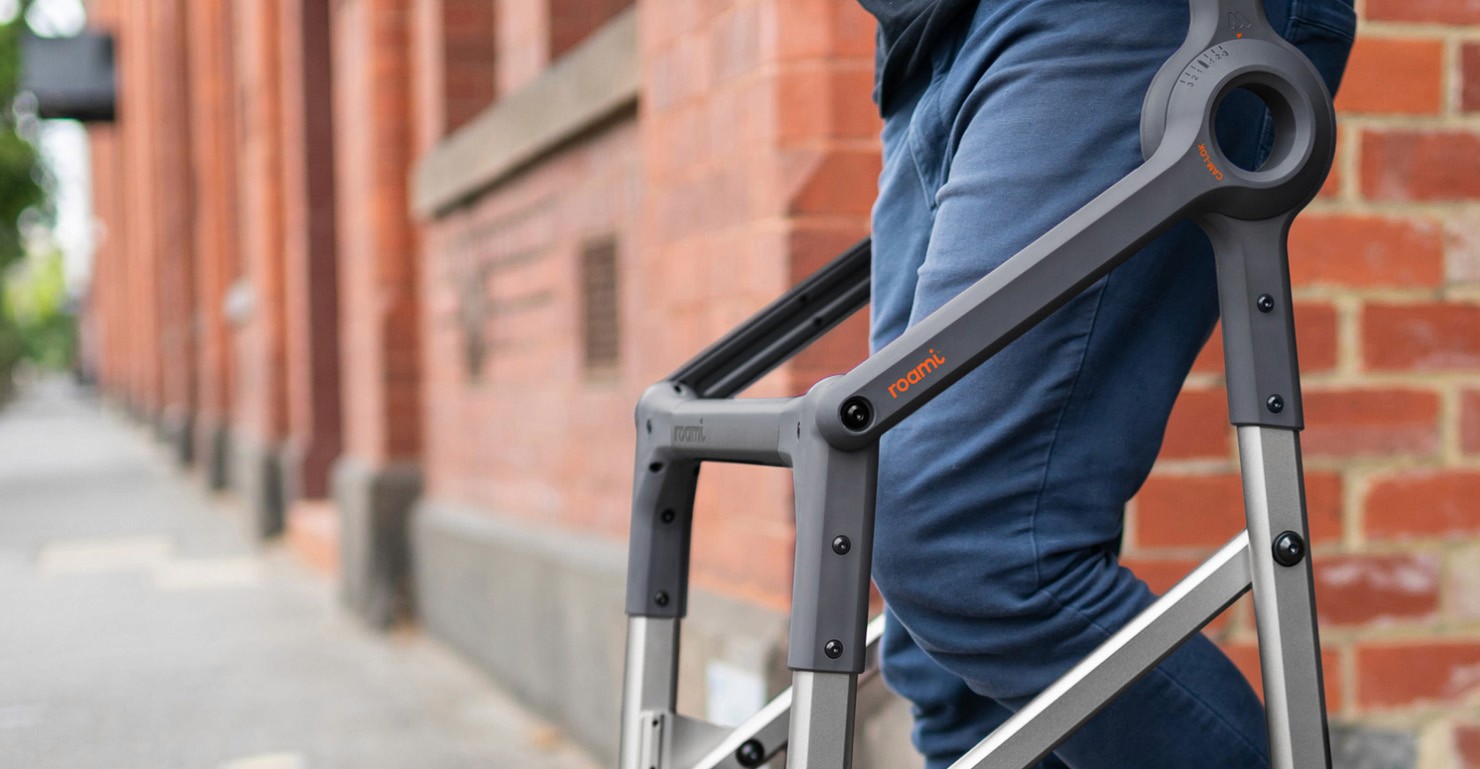
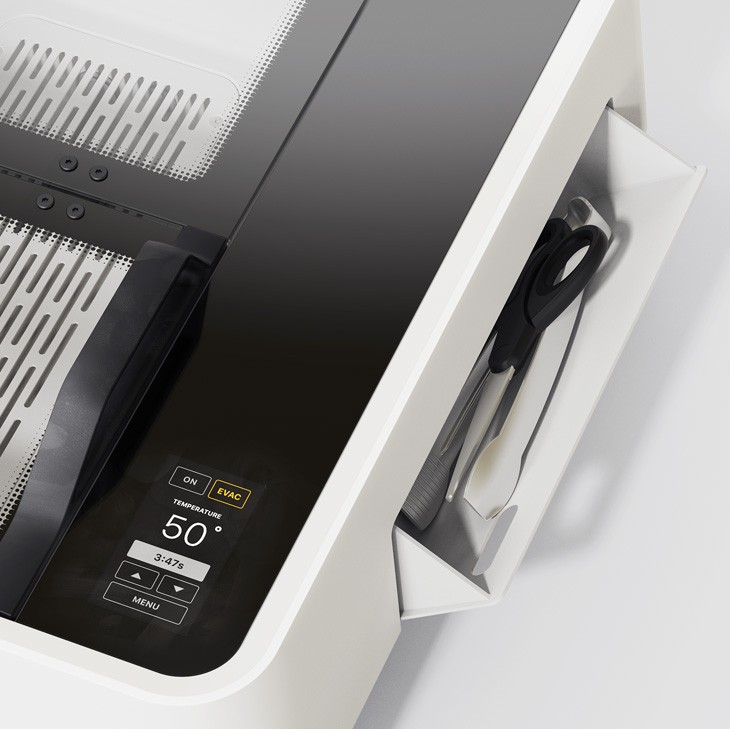
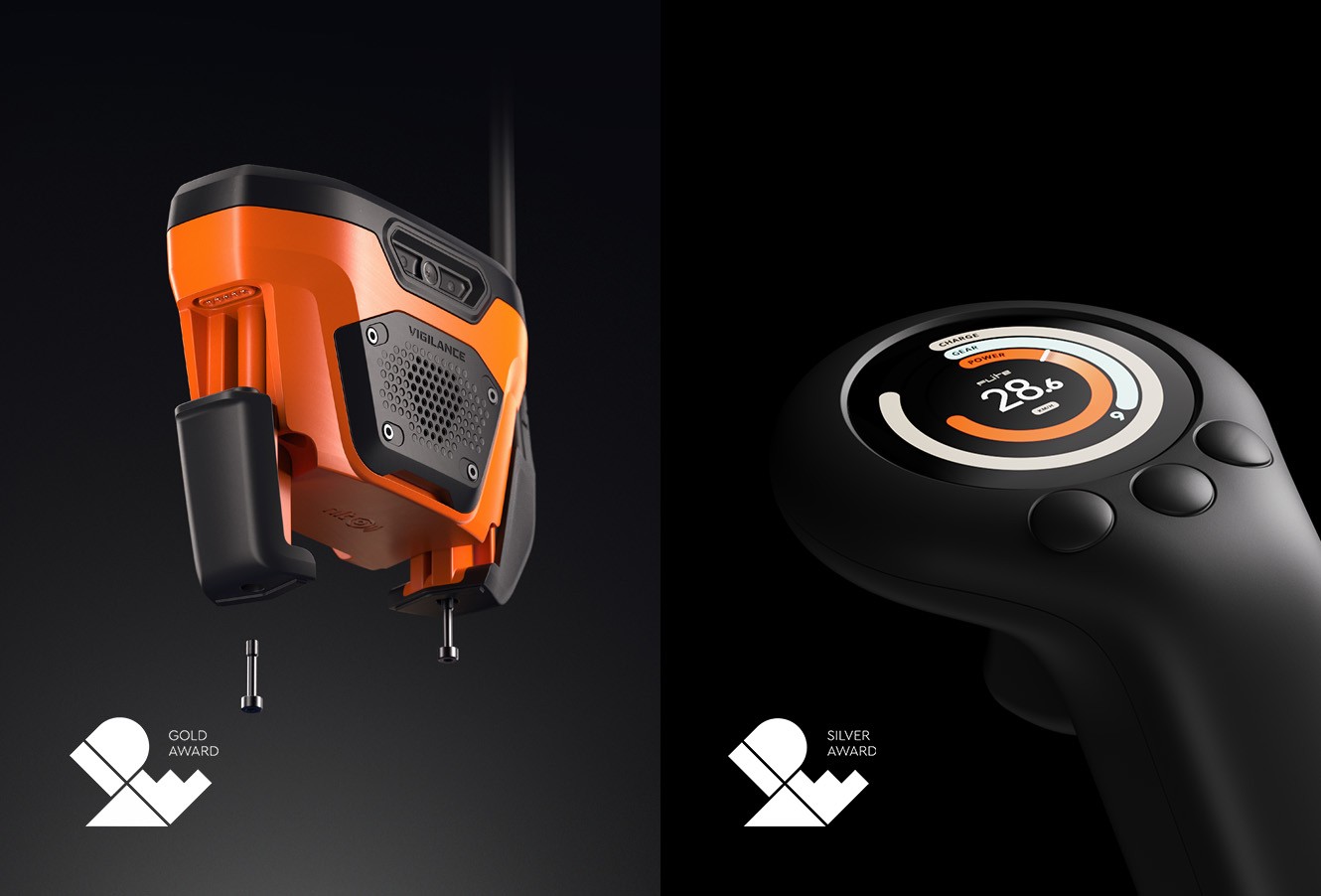
Stage 4: Looks-like or production-intent prototypes
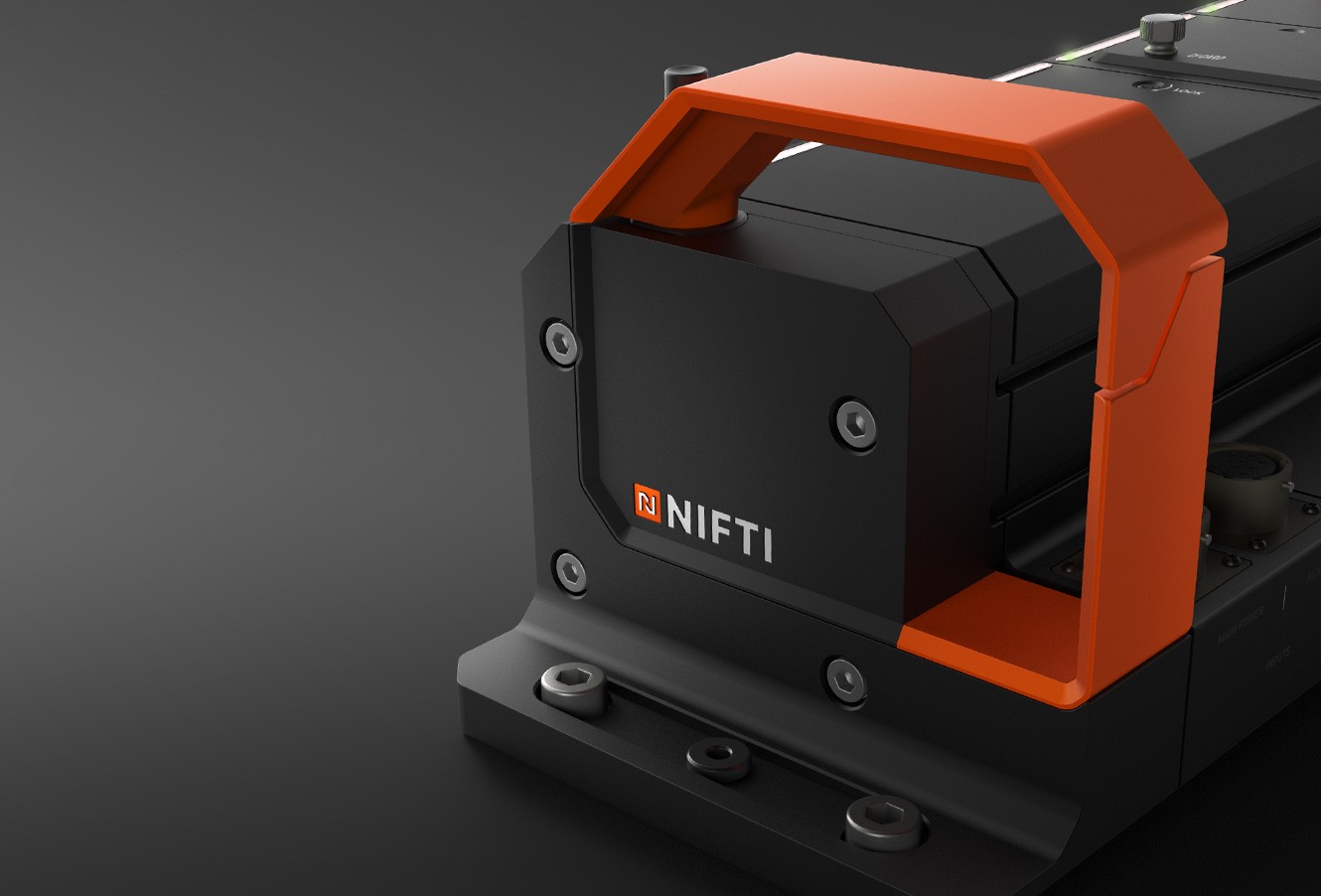
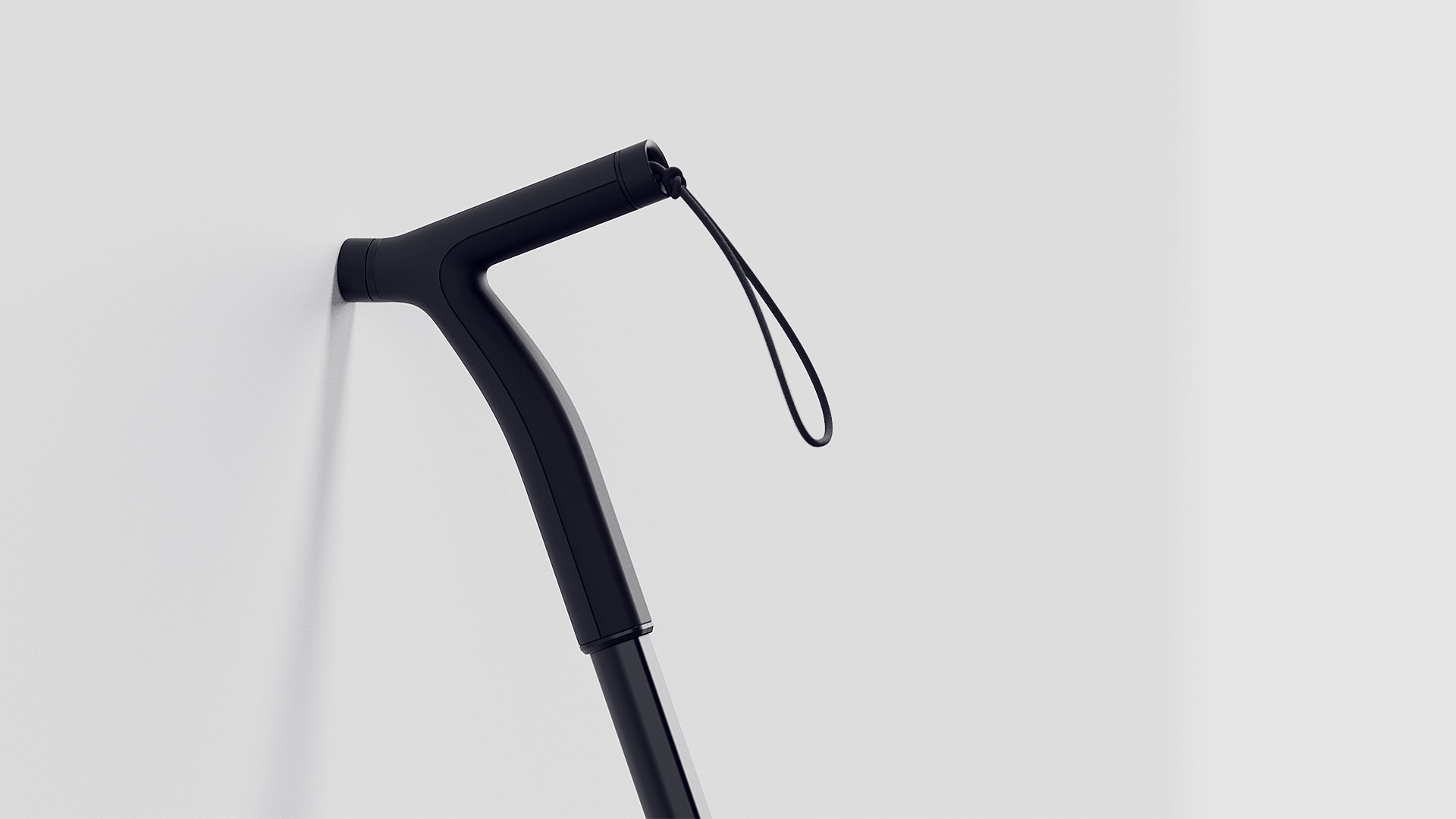
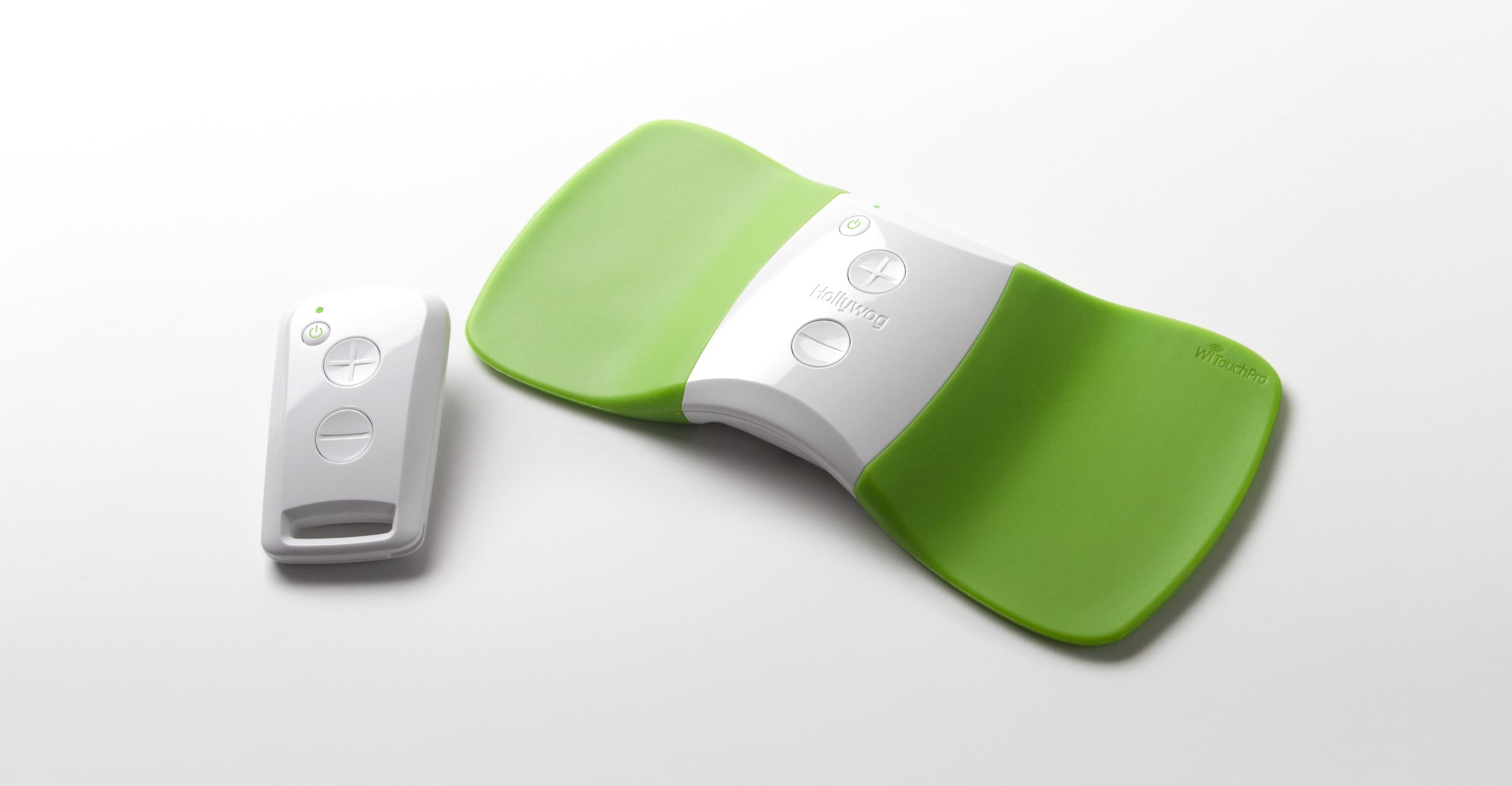
Higher fidelity models that communicate the final product direction, support stakeholder alignment and prepare the path toward manufacture.
Most clients initially want to jump straight to Stage 4.
The better outcomes usually come from doing Stages 1 to 3 properly first.
Because the goal is not to build one perfect prototype. The goal is to build the right product.
If you are in the middle of development and unsure what should be prototyped next, get in touch. We are always happy to share a perspective.