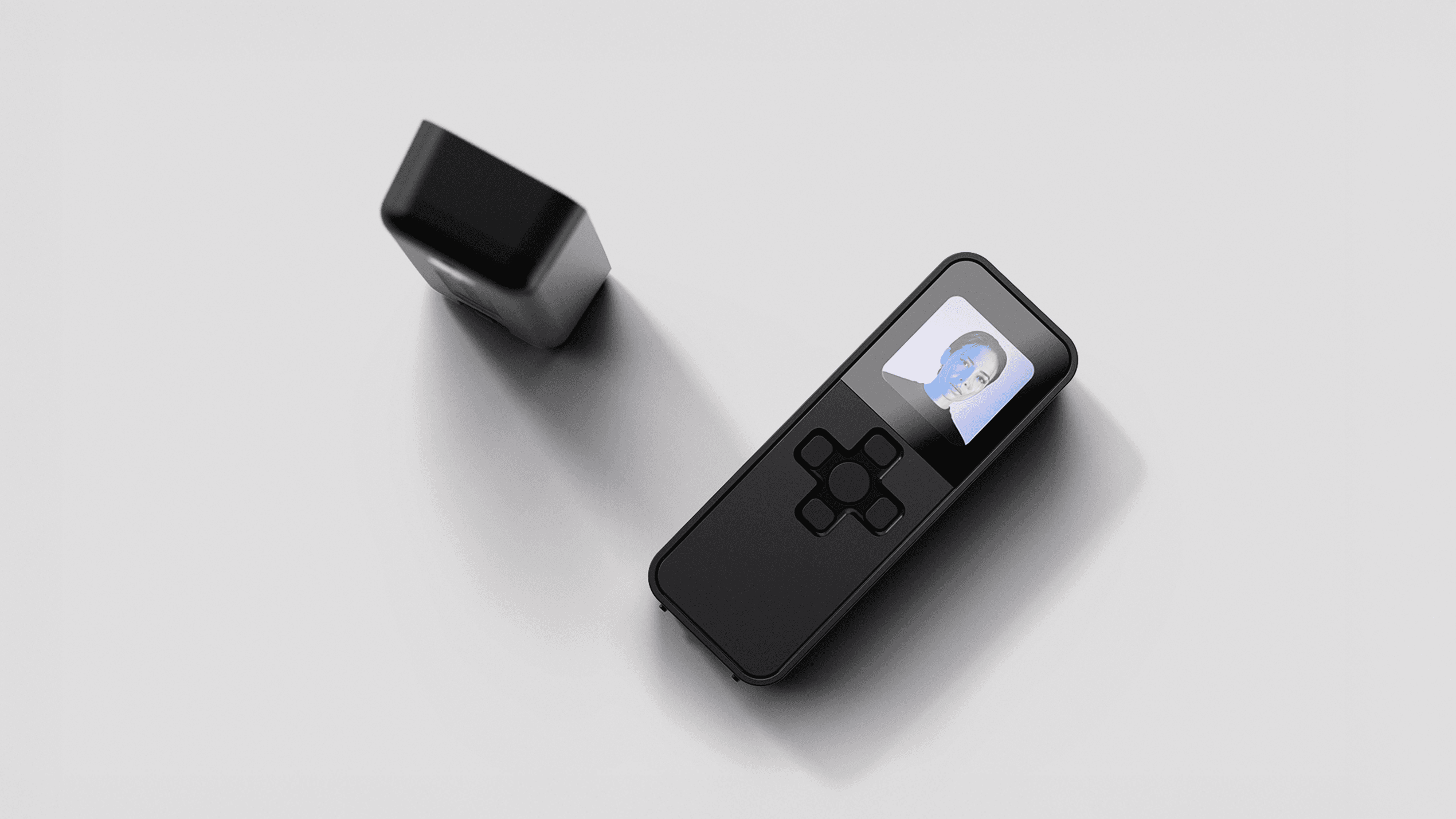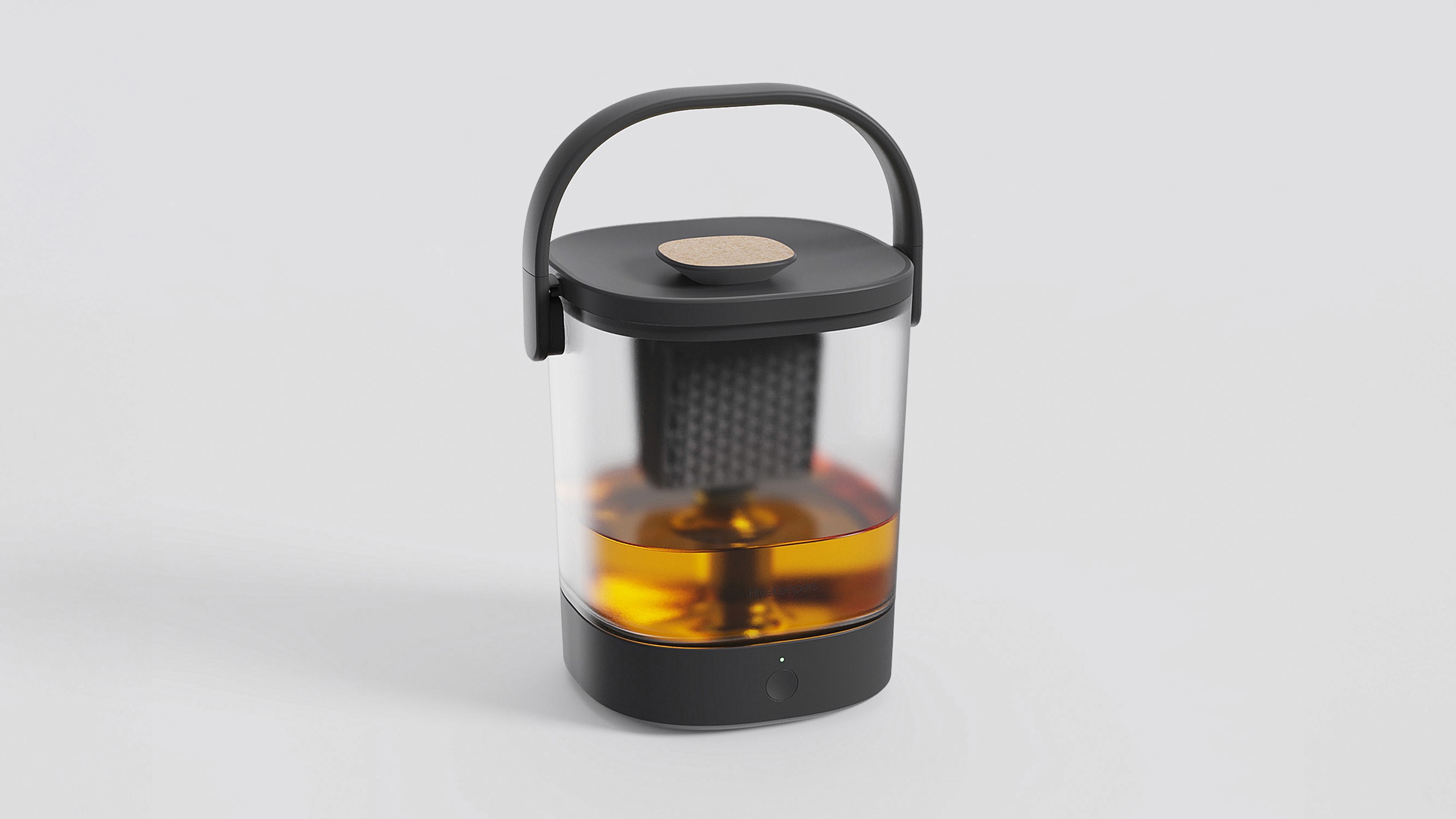
The first two weeks of a new project are always a little electric.
Once a proposal is authorised, things move quickly. Not in a chaotic way, more a purposeful, momentum building way.
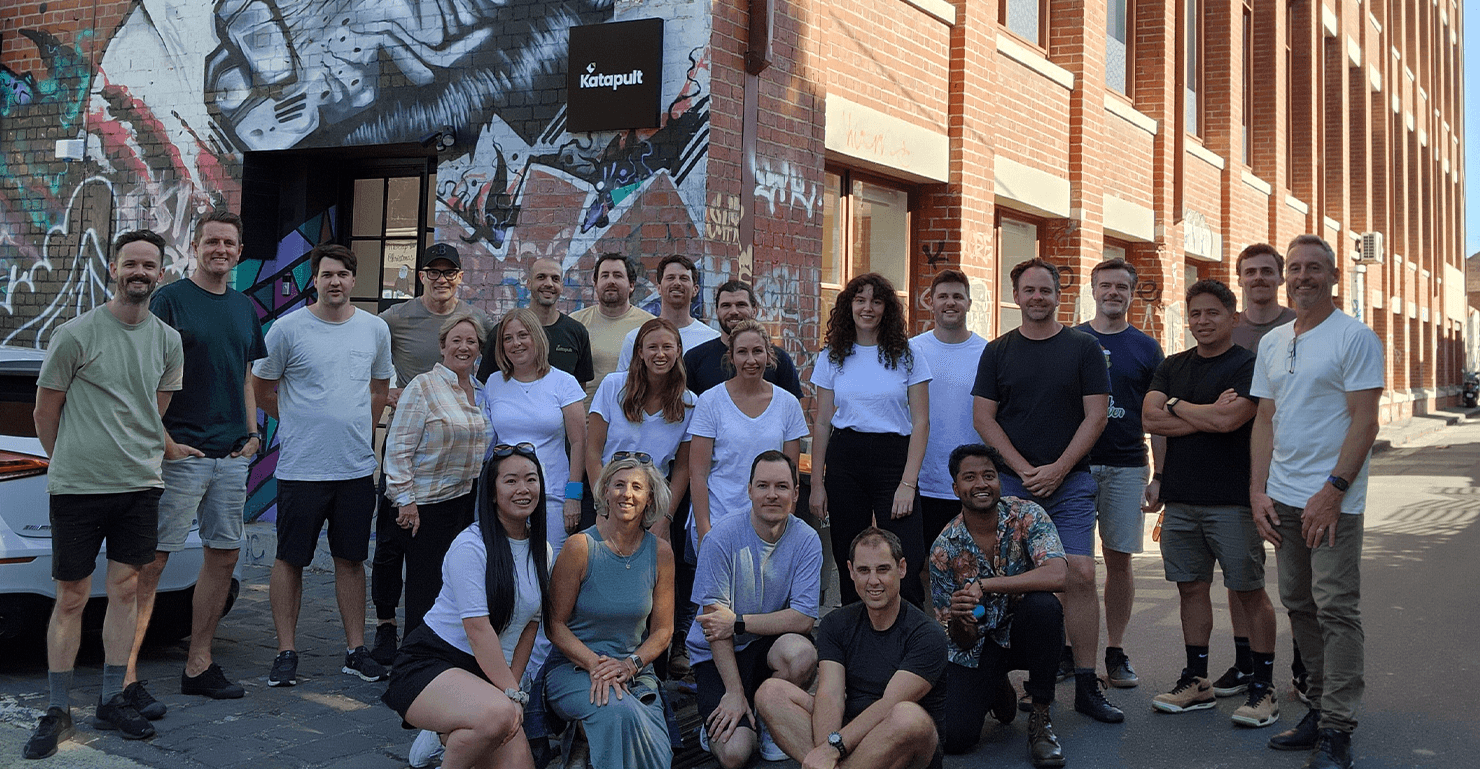
First, we lock in the team. We review resourcing, appoint a Project Manager (usually in the studio most convenient to the client) and build out the broader project team around the opportunity. Our design team will be fully briefed in by business development lead.
Then we make the introduction. You’ll meet the people actually doing the work. We’ll align on the format and timing of the kickoff meeting, whether that’s face-to-face or online and get the project properly underway.
From there, the pace lifts.
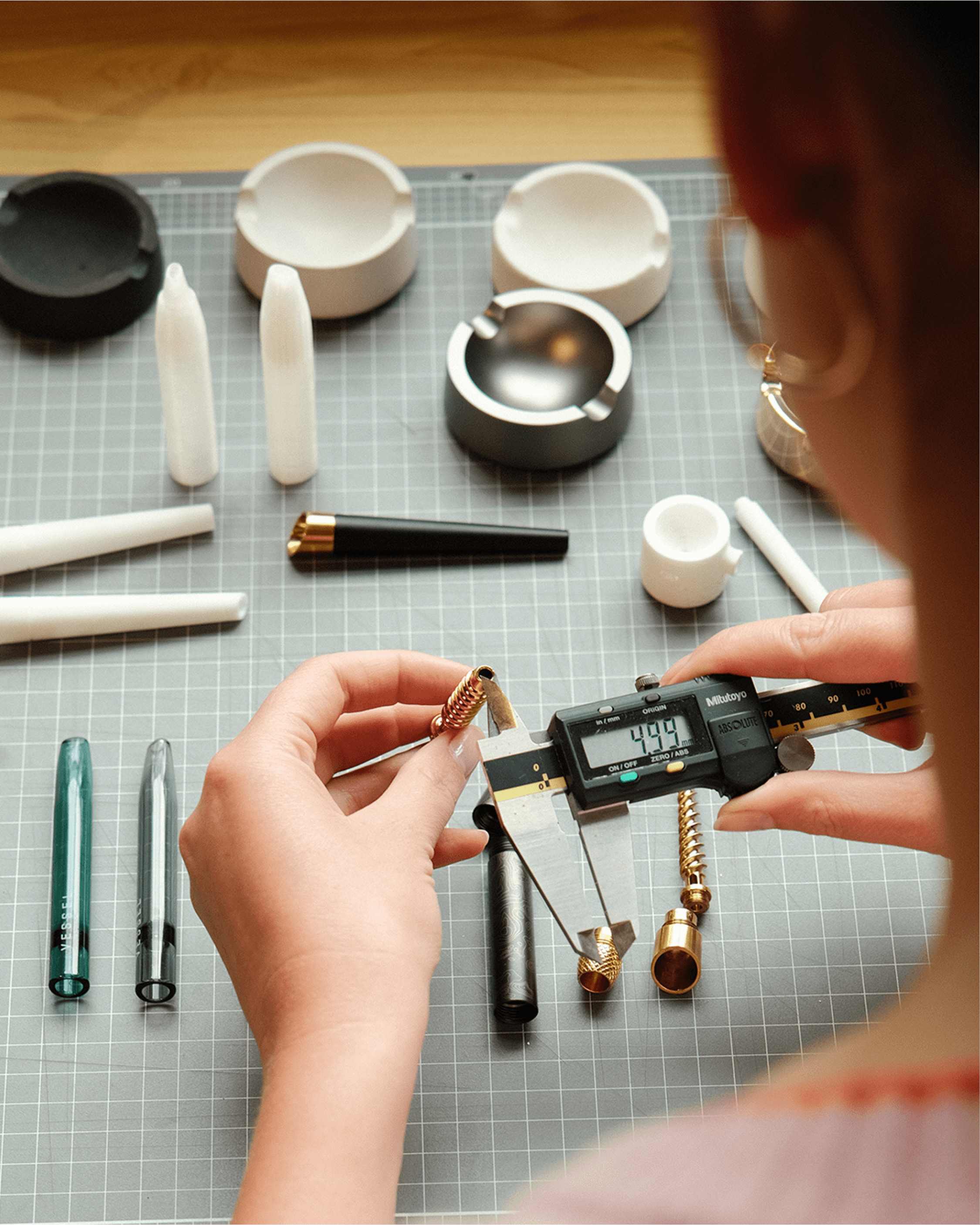
Before kickoff, our team is already digging in. Background research begins. Existing products are reviewed. Context is built and questions start to form.
The kickoff itself is usually about an hour, although some projects need a deeper discovery workshop. This is where the design brief is pressure-tested, project requirements are clarified, stakeholders are aligned and the immediate path forward is agreed. We also map out check-ins so everyone knows how the project will run.
Then the interesting part starts.
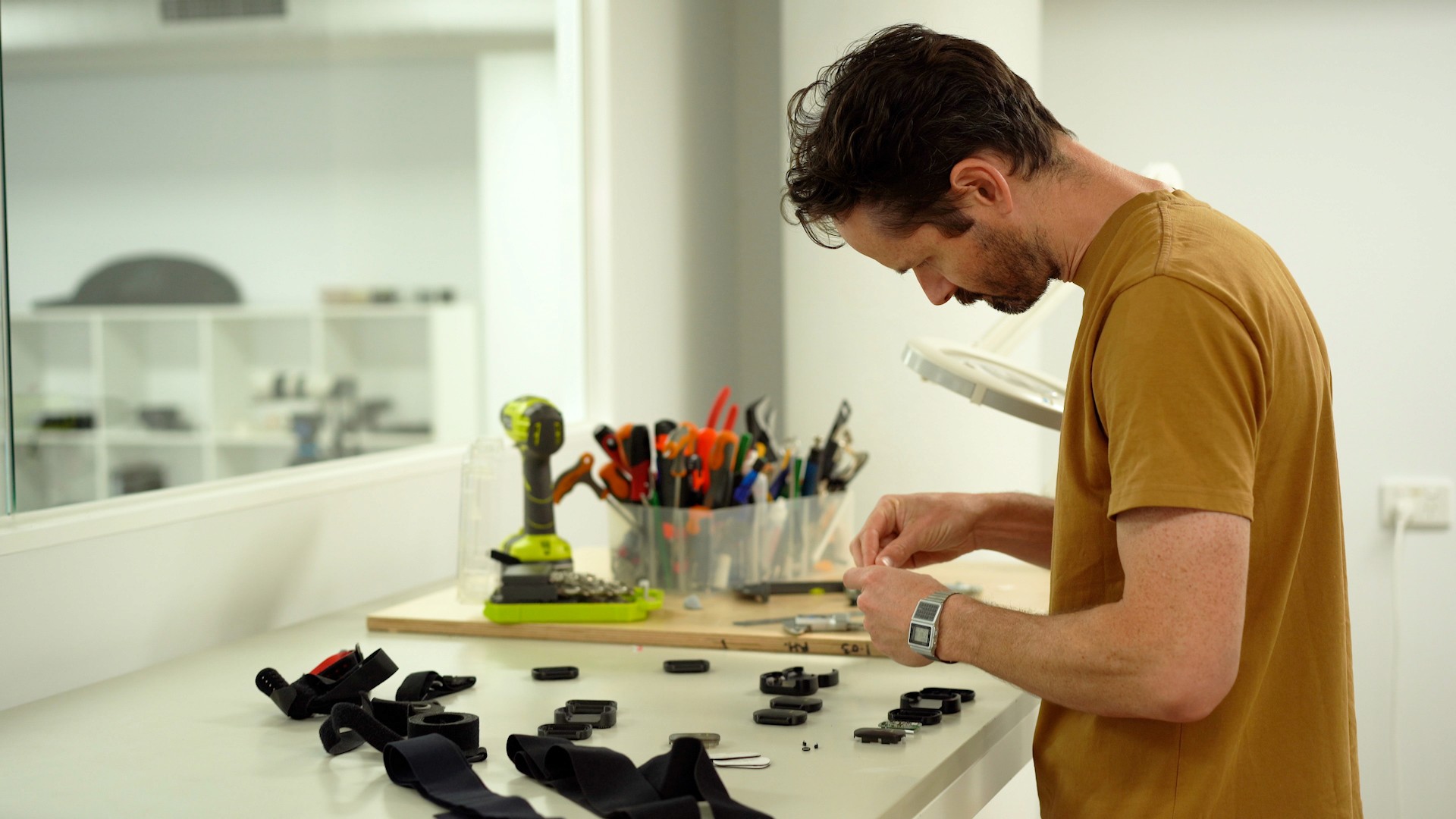
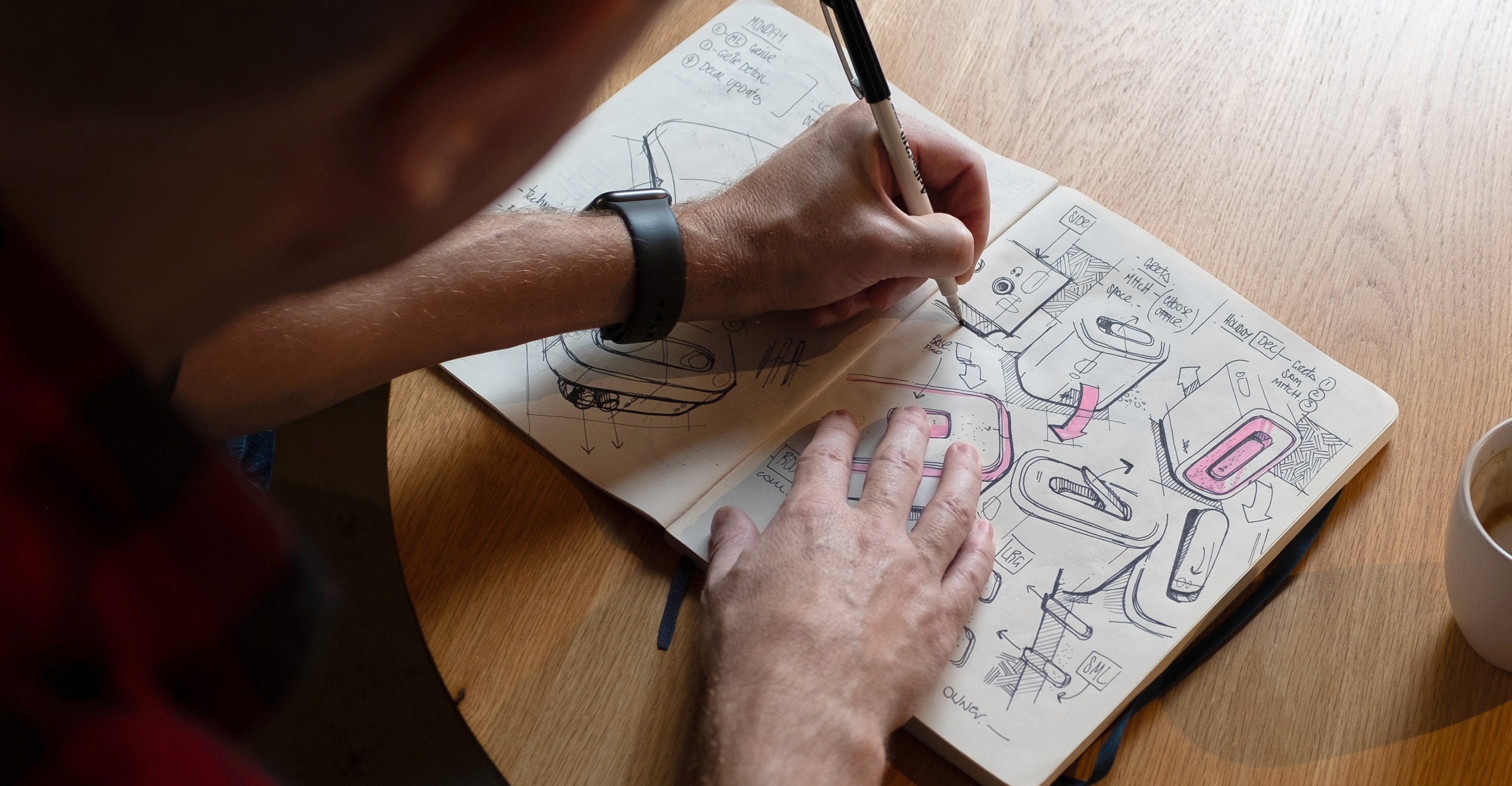
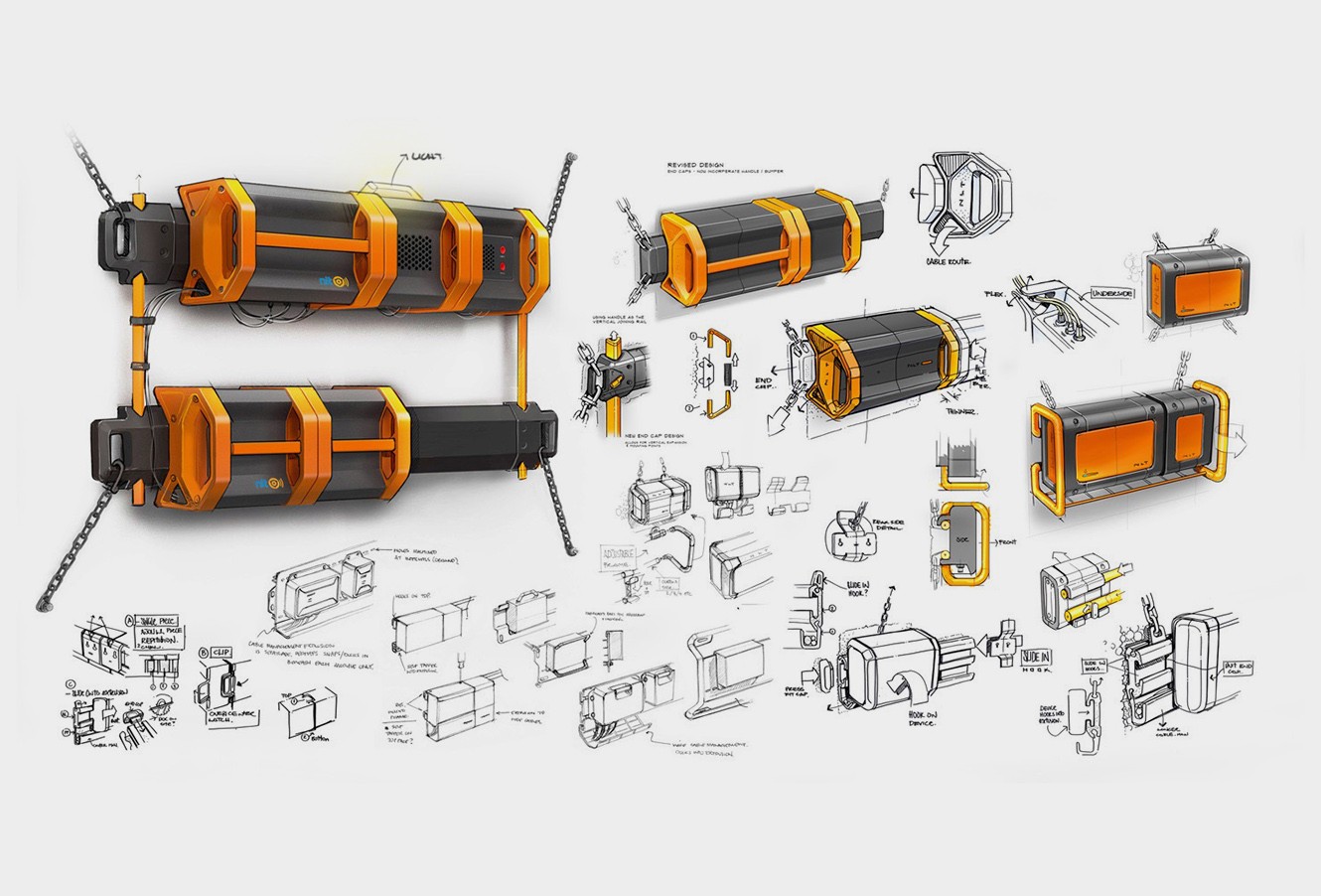
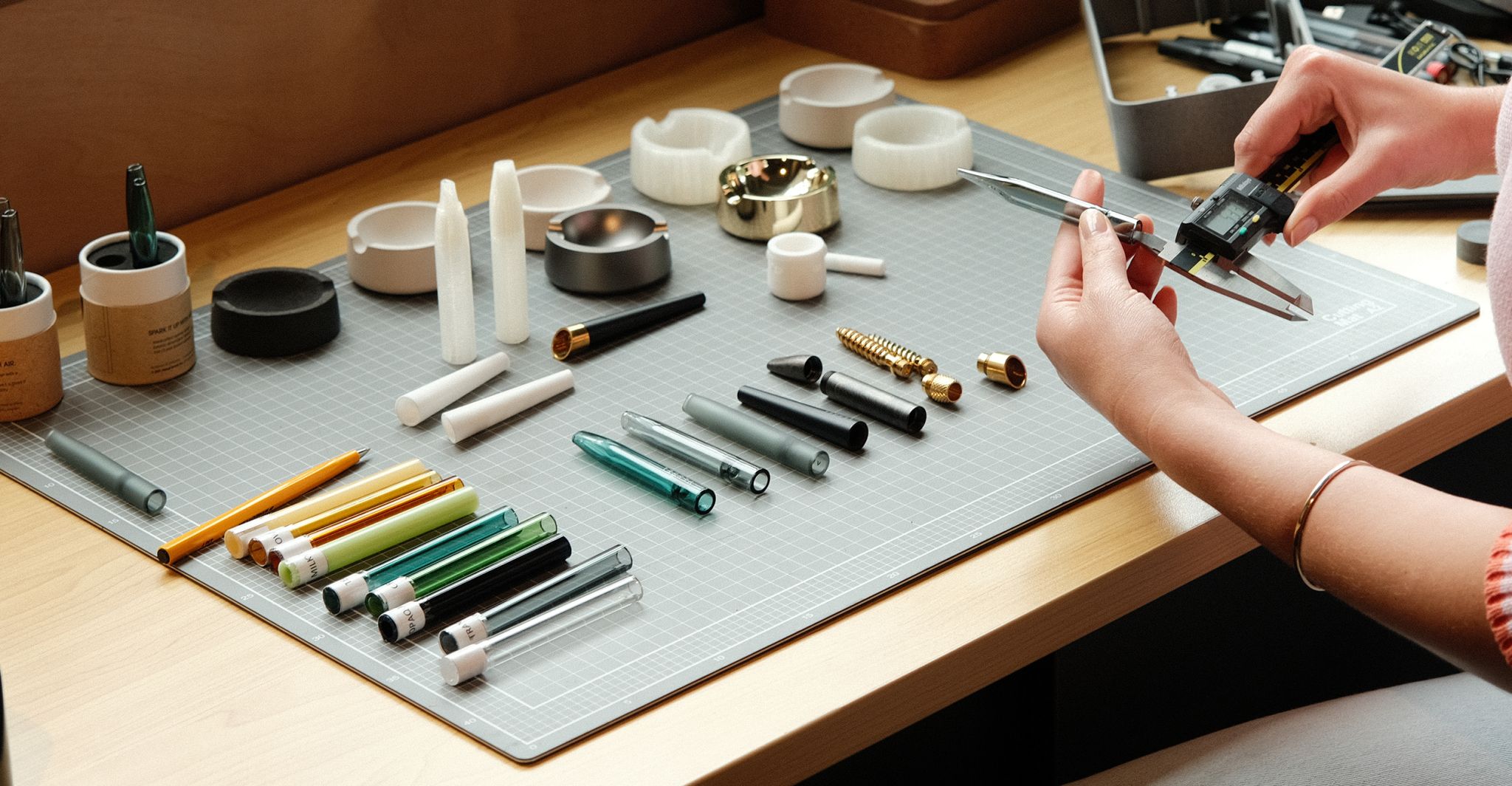
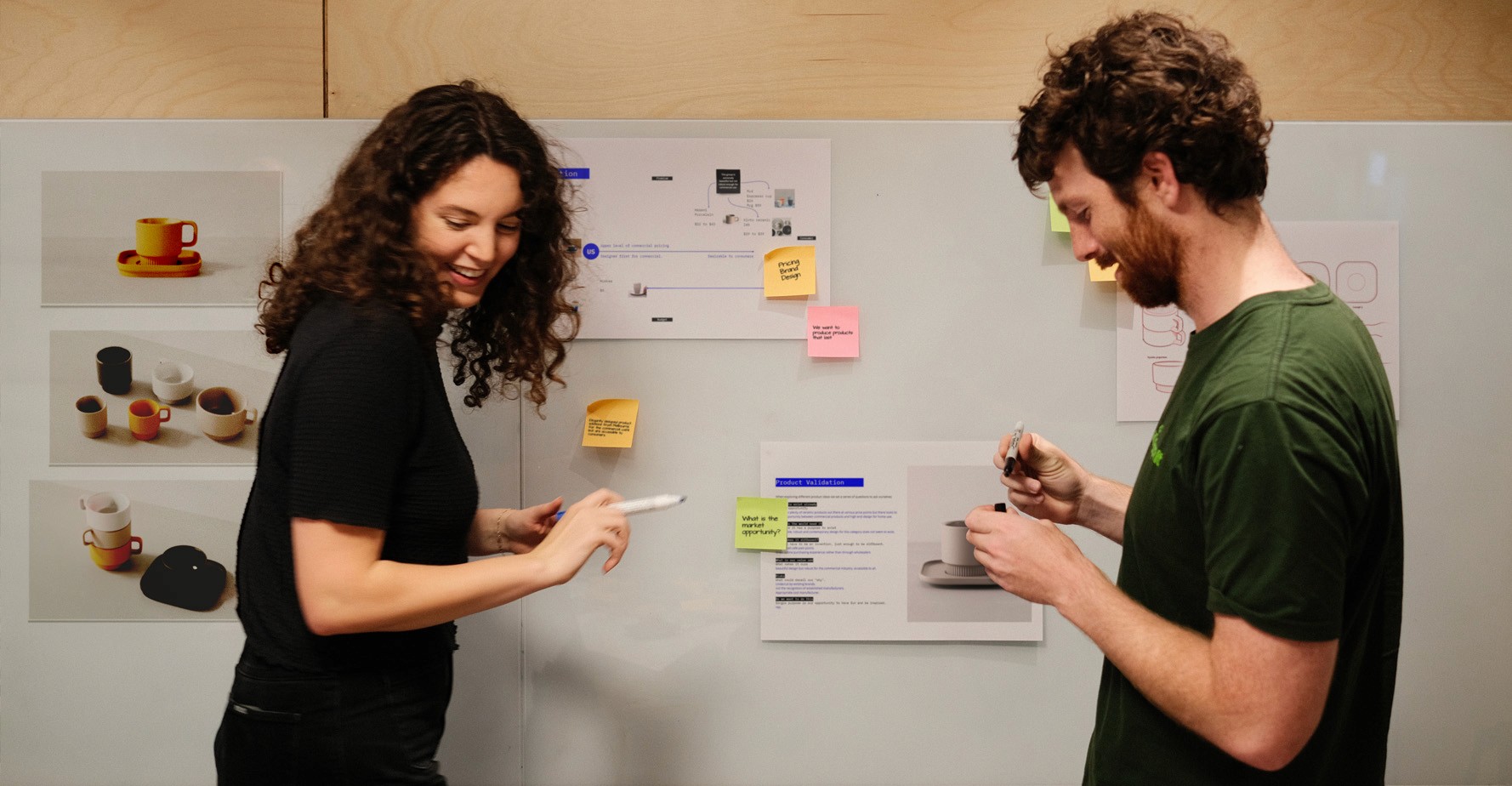
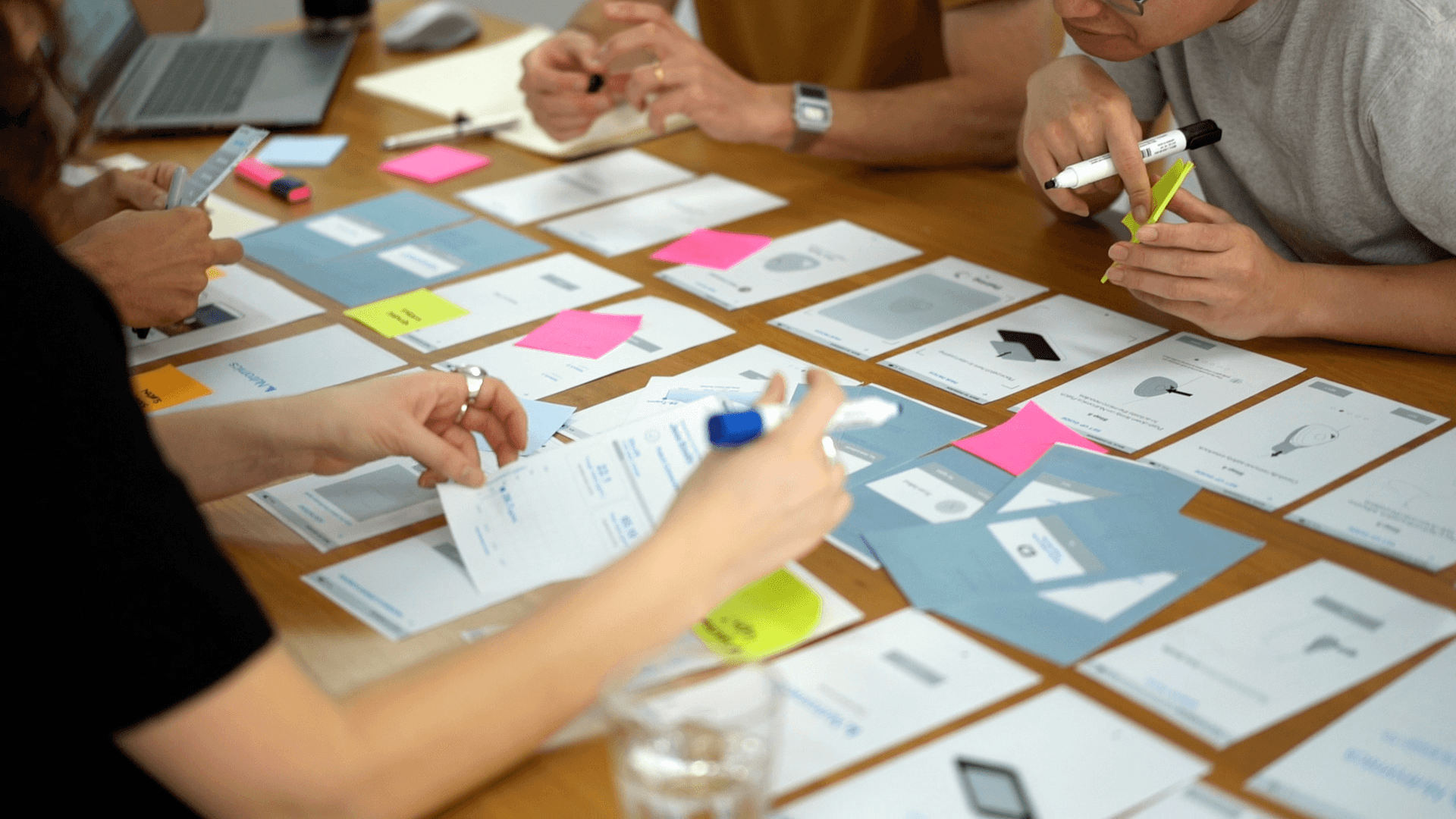
Research deepens. Planning sharpens. Early ideas begin to surface. Products get tested. Sketches start and, in parallel, crude mock-ups get made. Thoughts are captured, challenged and expanded. Our designers create an 'ideas flywheel', leap frogging over each other.
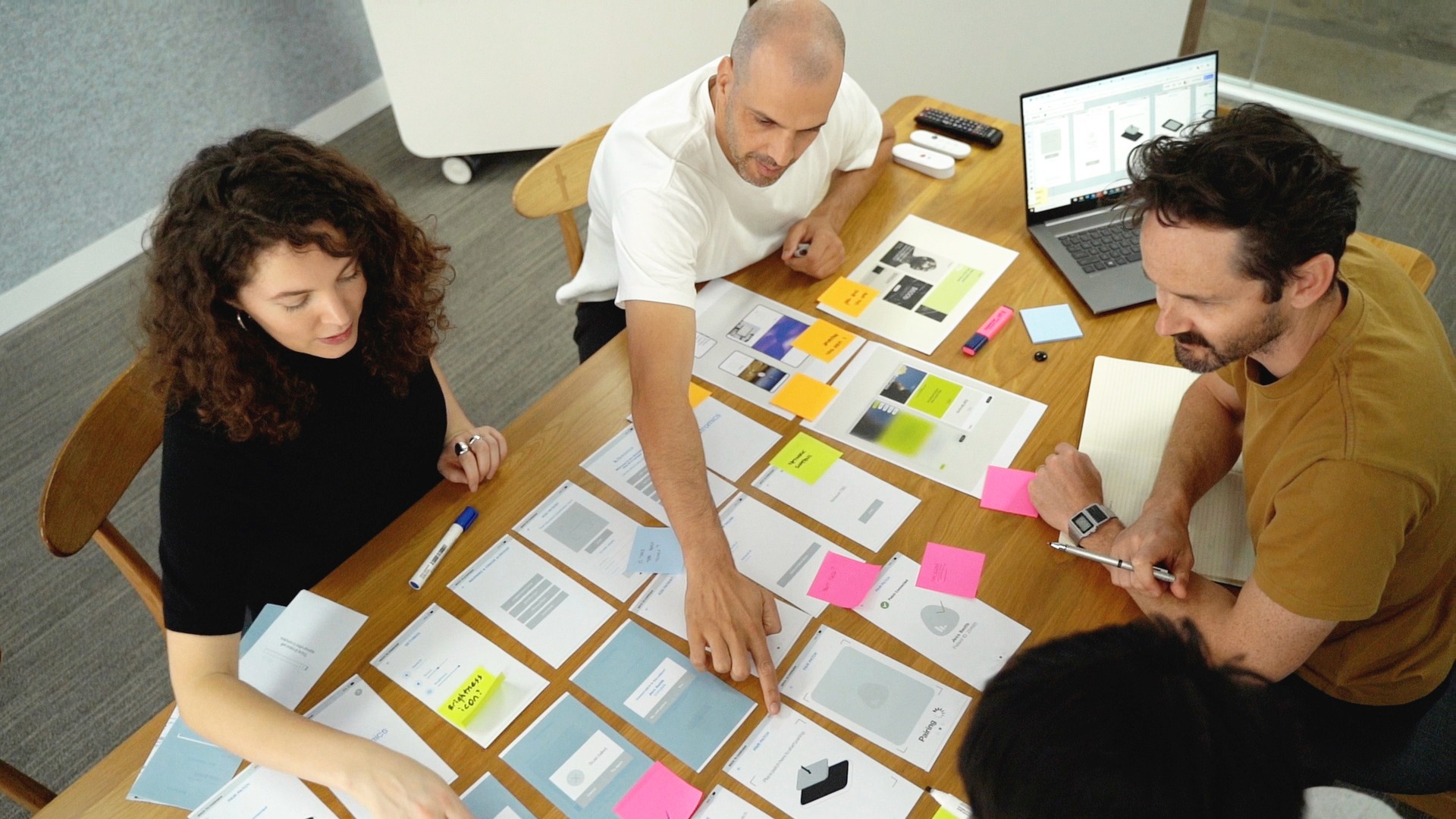
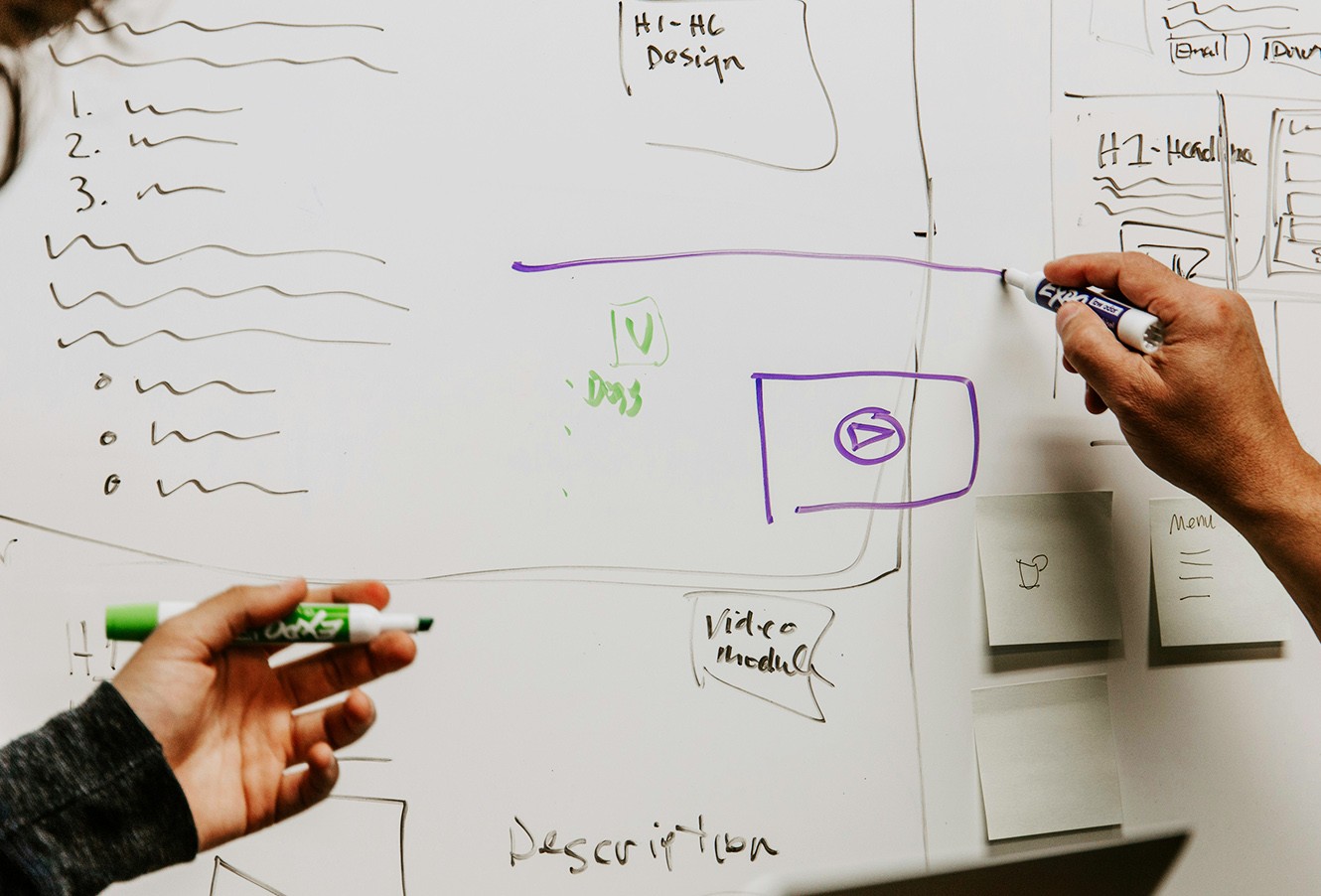
Inside the studio, the project starts to come alive on our virtual whiteboard, allowing distributed teams to have real time input. Concept directions begin to form. Sometimes that early work confirms the original brief. Sometimes it reveals new opportunities, better questions or the need to adjust a requirement based on what we’re learning.
That’s normal. In fact, it’s valuable.
A good start to a project is not about pretending to have all the answers on day one (often we don’t know the exact outcome at the start of a project). It’s about creating momentum, building confidence and moving quickly toward the right ones. We’ve learnt over decades of work to trust the process.
Typically, by the end of the first two weeks, we’ll have a range of preliminary concepts ready to present.
That’s when the conversation gets really interesting.
If you’re planning a new product and want the first two weeks to create clarity, not confusion, we should talk.